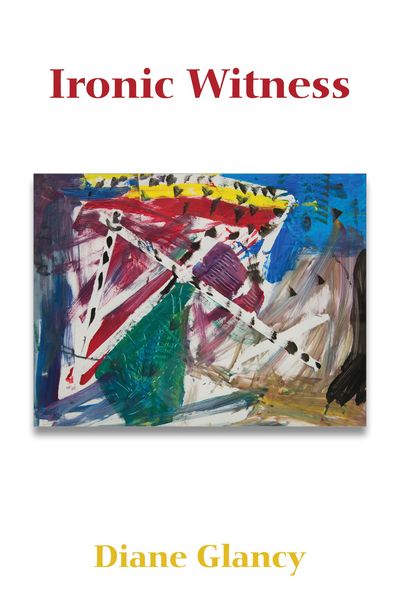
Ironic Witness
-
- Taschenbuch
- eBook ausgewählt
-
Form:Einzelkauf Download
-
Sprache:Englisch
Fr. 23.90
inkl. gesetzl. MwSt.Beschreibung
Produktdetails
Format
ePUB
Kopierschutz
Nein
Family Sharing
Nein
Text-to-Speech
Ja
Erscheinungsdatum
11.05.2015
Verlag
Wipf and Stock PublishersSeitenzahl
158 (Printausgabe)
Dateigröße
1422 KB
Sprache
Englisch
EAN
9781498270465
A minister's wife finds herself in hell.
The story of Lazarus and the rich man in Luke 16:19-31 gives a chilling insight into the afterlife. It is a story that is not often addressed because it makes clear the separation of people upon death.
Frank Winscott, a retired minister, works at comparing translations of the Bible. Eugena has ignored her husband's work and his sermons all her life. Instead, she finds meaning in her potter's shed, where she makes different forms of ziggurats that she places in her kiln, a little symbol of hell. Though Eugena rejects Frank's insistence that there is a heaven and hell, she finds that she has worked with the shape of both and never knew it. In the end, she realizes that heaven and hell are in the shape of ziggurats, one rising and the other sinking. Her beloved ziggurats become the ironic witness of what her husband preached.
Meanwhile, Frank and Eugena struggle to make sense of their lives after the death of their addict son, Daniel. When he is killed in a car accident, Frank and Eugena argue over whether Daniel's death was truly an accident, or whether his car may have been pushed off the road.
The novel begins, "Another letter from the afterlife, you might say. But this one starts before the afterlife and continues into it." When Eugena dies, she travels through hell to find her son, Daniel. Frank sends the last chapter from heaven.
The novel was influenced by Dante's The Divine Comedy and begins with an epigraph from The Inferno, "What I was living, that I am dead."
The story of Lazarus and the rich man in Luke 16:19-31 gives a chilling insight into the afterlife. It is a story that is not often addressed because it makes clear the separation of people upon death.
Frank Winscott, a retired minister, works at comparing translations of the Bible. Eugena has ignored her husband's work and his sermons all her life. Instead, she finds meaning in her potter's shed, where she makes different forms of ziggurats that she places in her kiln, a little symbol of hell. Though Eugena rejects Frank's insistence that there is a heaven and hell, she finds that she has worked with the shape of both and never knew it. In the end, she realizes that heaven and hell are in the shape of ziggurats, one rising and the other sinking. Her beloved ziggurats become the ironic witness of what her husband preached.
Meanwhile, Frank and Eugena struggle to make sense of their lives after the death of their addict son, Daniel. When he is killed in a car accident, Frank and Eugena argue over whether Daniel's death was truly an accident, or whether his car may have been pushed off the road.
The novel begins, "Another letter from the afterlife, you might say. But this one starts before the afterlife and continues into it." When Eugena dies, she travels through hell to find her son, Daniel. Frank sends the last chapter from heaven.
The novel was influenced by Dante's The Divine Comedy and begins with an epigraph from The Inferno, "What I was living, that I am dead."
Noch keine Bewertungen vorhanden
Verfassen Sie die erste Bewertung zu diesem Artikel
Helfen Sie anderen Kundinnen und Kunden durch Ihre Meinung.