Gutscheinbedingungen

*Gültig bis 21.06.2026 auf (fast) alles. Ausgeschlossen sind Smartboxen, Zeitschriften, Tickets, Lebensmittel, Gaming-Elektroartikel, Tinte/Toner, Gutscheine, Geschenkkarten, Blumen und Abos | Einlösbar in allen Buchhandlungen von Orell Füssli, Barth Bücher, Buchladen Rapunzel, Schuler Orell Füssli, Stauffacher und ZAP unter Vorweisung des Gutscheins, auf www.orellfüssli.ch durch Eingabe des Gutscheincodes. Beim Service „eBooks verschenken“ und bei eBook-Käufen via eReader nicht einlösbar | Mindesteinkaufswert: Fr. 30.- | Nicht mit anderen Rabatten kumulierbar.

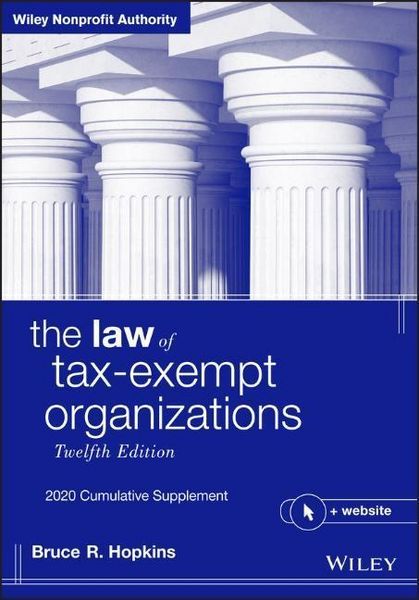
Produktbild: Law Of Tax-Exempt Organization

Law Of Tax-Exempt Organization 2020 Cumulative Supplement

Fr. 302.00

inkl. gesetzl. MwSt., Versandkostenfrei


Beschreibung

Produktdetails

Einband

Taschenbuch

Erscheinungsdatum

31.03.2020

Verlag

John Wiley & Sons Inc

Seitenzahl

304

Maße (L/B/H)

24.9/17.8/2.3 cm

Gewicht

474 g

Auflage

12. Auflage

Sprache

Englisch

ISBN

978-1-119-63921-3

Beschreibung

Produktdetails

Einband

Taschenbuch

Erscheinungsdatum

31.03.2020

Verlag

John Wiley & Sons Inc

Seitenzahl

304

Maße (L/B/H)

24.9/17.8/2.3 cm

Gewicht

474 g

Auflage

12. Auflage

Sprache

Englisch

ISBN

978-1-119-63921-3

Kundinnen und Kunden meinen

0 Bewertungen

Informationen zu Bewertungen

Zur Abgabe einer Bewertung ist eine Anmeldung im Konto notwendig. Die Authentizität der Bewertungen wird von uns nicht überprüft. Wir behalten uns vor, Bewertungstexte, die unseren Richtlinien widersprechen, entsprechend zu kürzen oder zu löschen.

Die Bewertungen sind nach Format, Anzahl Sterne und Datum sortiert.

Verfassen Sie die erste Bewertung zu diesem Artikel

Helfen Sie anderen Kund*innen durch Ihre Meinung

Kundinnen und Kunden meinen

0 Bewertungen filtern

Die Leseprobe wird geladen.
  • Produktbild: Law Of Tax-Exempt Organization
  • About the Author xiii Preface xv About the Online Resources xvii Book Citations xix Part One: Introduction to the Law of Tax-Exempt Organizations 1 Definition of and Rationales for Tax-Exempt Organizations 3
    1.1 Definition of Nonprofit Organization 3 (a) Nonprofit Organization Defined 3 2 Overview of Nonprofit Sector and Tax-Exempt Organizations 5
    2.1 Profile of Nonprofit Sector 5
    2.2 Organization of IRS 6 (a) IRS in General 6 (b) Tax Exempt and Government Entities Division 8 Part Two: Fundamentals of the Law of Tax-Exempt Organizations 3 Tax Exemption: Source and Recognition 11
    3.2 Recognition of Tax Exemption 11 (a) General Rules 11
    3.3 Recognition of Public Charity, Private Foundation Status 11 4 Organizational, Operational, and Related Tests and Doctrines 13
    4.7 Commensurate Test 13
    4.9 Commerciality Doctrine 13 (e) Other Applications of Doctrine 13 (f) Elements of Commerciality 13 (h) Contemporary Perspective on Doctrine 14 5 Nonprofit Governance 15
    5.3 Board Duties and Responsibilities 15 (a) Duty of Care 15 (b) Duty of Loyalty 16 (c) Duty of Obedience 16 Part Three: Tax-Exempt Charitable Organizations 6 Concept of Charitable 19
    6.2 Public Policy Doctrine 19 (b) Race-Based Discrimination 19
    6.3 Collateral Concepts 19 (a) Requirement of Charitable Class 19 (i) Illegal Activities 20 7 Charitable Organizations 21
    7.4 Provision of Housing 21
    7.6 Promotion of Health 21 (a) Hospital Law in General 21 (b) Additional Statutory Requirements for Hospitals 21
    7.8 Advancement of Education 22
    7.17 Qualified Opportunity Zones 22 8 Educational Organizations 25
    8.3 Educational Institutions 25 (a) Schools, Colleges, and Universities 25
    8.4 Instruction of Individuals 26
    8.5 Instruction of Public 26 9 Scientific Organizations 27
    9.2 Concept of Research 27 10 Religious Organizations 29
    10.1 Constitutional Law Framework 29 (a) General Constitutional Law Purposes 29 (c) Internal Revenue Code Provisions 29
    10.5 Integrated Auxiliaries of Churches 29
    10.7 Religious Orders 29 11 Other Types of Charitable Organizations 31
    11.2 Amateur Sports Organizations 31
    11.9 Endowment Funds 31 (b) College and University Endowment Tax 31 12 Public Charities and Private Foundations 33
    12.1 Federal Tax Law Definition of Private Foundation 33 (a) Private Foundation Defined 33
    12.3 Categories of Public Charities 33 (b) Publicly Supported Charities 33 (c) Supporting Organizations 33 Part Four: Other Tax-Exempt Organizations 13 Social Welfare Organizations 37
    13.1 Concept of Social Welfare 37 (b) Benefits to Members 37
    13.3 Conduct of Business 37 14 Business Leagues and Similar Organizations 39
    14.1 Concept of Business League 39 (a) General Principles 39 (g) Certification Programs 39
    14.2 Disqualifying Activities 40 (c) Performance of Particular Services 40 (d-1) Private Benefit 40 15 Social Clubs 41
    15.1 Social Clubs in General 41 (b) Club Functions 41
    15.5 Taxation of Social Clubs 41 16 Labor, Agricultural, and Horticultural Organizations 43
    16.2 Agricultural Organizations 43 17 Political Organizations 45
    17.4 Public Policy Advocacy Activities 45 18 Employee Benefit Funds 47
    18.3 Voluntary Employees' Beneficiary Associations 47 19 Other Categories of Tax-Exempt Organizations 49
    19.12 Farmers' Cooperatives 49
    19.18 Qualified Health Insurance Issuers 49 Part Five: Principal Exempt Organization Laws 20 Private Inurement and Private Benefit Doctrines 53
    20.4 Compensation Issues 53 (b) Determining Reasonableness of Compensation 53
    20.5 Executive Compensation Tax 53
    20.6 Other Forms of Private Inurement 56 (a) Rental Arrangements 56 (e) Equity Distributions 56 (h) Tax Avoidance Schemes 56 (i) Services Rendered 56 (j) Business Referral Operations 56 (m-1) Successors to For-Profit Companies 56
    20.12 Private Inurement and Other Categories of Exempt Organizations 57
    20.13 Private Benefit Doctrine 58 (a) General Rules 58 (d) Perspective 58 21 Intermediate Sanctions 61
    21.16 Interrelationship with Private Inurement Doctrine 61 22 Legislative Activities by Tax-Exempt Organizations 63
    22.3 Lobbying by Charitable Organizations 63 (b) Concept of Lobbying 63 (c) Substantial Part Test 63 23 Political Campaign Activities by Tax-Exempt Organizations 65
    23.3 Political Campaign Expenditures and Tax Sanctions 65
    23.6 Political Activities of Social Welfare Organizations 65 (a) Allowable Campaign Activity 65 24 Unrelated Business: Basic Rules 67
    24.2 Definition of Trade or Business 67 (j) Concept of Investment Plus 67
    24.3 Definition of Regularly Carried On 67 (b) Determining Regularity 67
    24.4A Deemed Unrelated Business Income 67
    24.5 Contemporary Applications of Unrelated Business Rules 68 (q) Other Organizations' Exempt Functions 68
    24.9 Unrelated Debt-Financed Income 68 (c) Acquisition Indebtedness 68 25 Unrelated Business: Modifications, Exceptions, Special Rules, and Taxation 69
    25.1 Modifications 69 (g) Royalties 69 (h) Rent 69 (l-1) Income from Subsidiaries 70 (n-1) Global Intangible Low-Taxed Income 70
    25.2 Exceptions 70 (a) Volunteer-Conducted Businesses 70 (b) Convenience Businesses 71 (c) Sales of Gift Items 71
    25.3 Special Rules 71
    25.4 Fringe Benefit Rules 72 (a) Statutory Law 72 (b) Interim Guidance 72
    25.5 "Bucketing" Rule 73 (a) Statutory Law 73 (b) Interim Guidance 74 (c) Medical Marijuana Dispensary Cases 76 Part Six: Acquisition and Maintenance of Tax Exemption 26 Exemption Recognition and Notice Processes 81
    26.1 Recognition Application Procedure 81 (a) Introduction 81 (b) General Procedures 82 (c) Completed Application 83 (d) User Fees 83 (e) Penalties for Perjury 84 (g) Streamlined Application 84 (h) Reliance on Determination Letters 84 (i) Post-Determination Review 85
    26.3 Nonprivate Foundation Status 85 (a) Notice Requirement 85
    26.4 Requirements for Social Welfare Organizations 85
    26.10 Rules for Other Categories of Organizations 85
    26.10A Determination Letter Requests on Form 8940 86 (a) General Rules 86 (b) Changes in Public Charity/Private Foundation Status 86
    26.10B Withdrawal of Request for Determination Letter 87
    26.11 Group Exemption Rules 88 (a) General Rules 88 (b) Advantages and Disadvantages of Group Exemption 88 (c) Import of Questionnaire 88
    26.12 Suspension of Tax Exemption 91
    26.13 Notice Requirements for Social Welfare Organizations 91
    26.14 Notice Requirements for Political Organizations 91
    26.16 Forfeiture of Tax Exemption 91
    26.17 Constitutional Law Aspects of Process 91 27 Administrative and Litigation Procedures 93
    27.1 Administrative Procedures Where Recognition Denied 93 (a) Requests Receiving Appeals Office Consideration 93 (b) Matters Not Receiving Appeals Office Consideration 94
    27.3 Retroactive Revocation of Tax-Exempt Status 94
    27.5 Revocation of Tax-Exempt Status: Litigation Procedures 95 (a) General Rules 95 (b) Declaratory Judgment Rules 95
    27.6 IRS Examination Procedures and Practices 96 (c) Church Audits 96
    27.9 IRS Disclosure to State Officials 96 28 Operational Requirements 97
    28.1 Changes in Operations or Form 97 (a) Changes in Operations 97
    28.2 Annual Reporting Rules 97 (a) Overview of Annual Information Returns 98 (b) Exceptions to Reporting Requirements 99 (d) Group Returns 99
    28.5 Filing Requirements and Tax-Exempt Status 100
    28.5A Pre-revocation Notice by IRS 100
    28.8 Electronic Filing Rules 100 (d) Law Revision in 2020 100
    28.9 Unrelated Business Income Tax Returns 101
    28.10 IRS Document Disclosure Rules 101 (a) Federal Tax Law Disclosure Requirements 101
    28.11 Document Disclosure Obligations of Exempt Organizations 101 (a) General Rules 101 (d) Failure to Comply 102 (i) Donor Information Disclosure 102
    28.17 Tax-Exempt Organizations and Tax Shelters 105
    28.17 International Grantmaking Requirements 105 (a) Charitable Organizations Generally 105 (b) Private Foundations 106 (c) Anti-Terrorist Financing Guidelines 106
    28.18 Recordkeeping Requirements 106 28A Tax-Exempt Organizations and Tax Shelters 107
    28A.1 Concept of Tax Shelter 108
    28A.2 Judicial Doctrines 109 (a) Sham Transaction Doctrine 109 (b) Economic Substance Doctrine 110 (c) Business Purpose Doctrine 110 (d) Substance-over-Form Doctrine 110 (e) Step Transaction Doctrine 111 (f) Countervailing Case Law 112
    28A.3 Tax Shelter Law in General 112 (a) IRS's Office of Tax Shelter Analysis 113 (b) Other IRS Initiatives 113 (c) Reportable Transactions 114 (d) Participation in Reportable Transactions 115 (e) Participant Disclosure Requirements 115 (f) Material Advisor Disclosures 116 (g) Material Advisors Lists Requirements 116 (h) Abusive Tax Shelter Promotion Penalty 117 (i) Other Tax Shelter Penalties 117
    28A.4 Exempt Organizations and Tax Shelter Penalties 118
    28A.5 Exempt Organizations' Involvement in Shelters 120 (a) Transfers of Incidence of Taxation 120 (b) Abuse of Corporations Sole 122 (c) A Disputed Tax Shelter 122 (d) Overvaluation is Often Key Issue 124 (e) "Charitable Giving" Plan Failed 125 (f) Syndicated Conservation Easements 126 (g) Donor-Advised Funds 127 (h) Patient Assistance Programs 128 (i) Other Tax Shelters in Exempt Organizations Context 128
    28A.6 GAO Findings and Recommendations 129
    28A.7 "Dirty Dozen" Listings 131 Part Seven: Interorganizational Structures and Operational Forms 29 Tax-Exempt Organizations and Exempt Subsidiaries 135
    29.3 Tax-Exempt Subsidiaries of Charitable Organizations 135
    29.7 Revenue from Tax-Exempt Subsidiary 135 30 Tax-Exempt Organizations and For-Profit Subsidiaries 137
    30.2 Potential of Attribution to Parent 137 32 Tax-Exempt Organizations: Other Operations and Restructuring 139
    32.1 Mergers 139
    32.7 Conversions from Nonexempt to Exempt Status 139 (b) Federal Tax Law 139 Table of Cases 141 Cumulative Table of IRS Revenue Rulings 171 Cumulative Table of IRS Revenue Procedures 181 Cumulative Table of IRS Private Determinations Cited in Text 183 Table of IRS Private Letter Rulings, Technical Advice Memoranda, and Counsel Memoranda 197 Cumulative Table of Cases Discussed in Bruce R. Hopkins' Nonprofit Counsel 227 Cumulative Table of IRS Private Determinations Discussed in Bruce R. Hopkins' Nonprofit Counsel 241 Index 263