• Produktbild: Psychology, Humour and Class
  • Produktbild: Psychology, Humour and Class

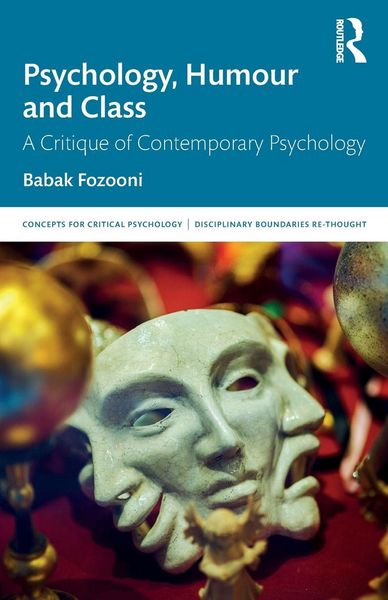
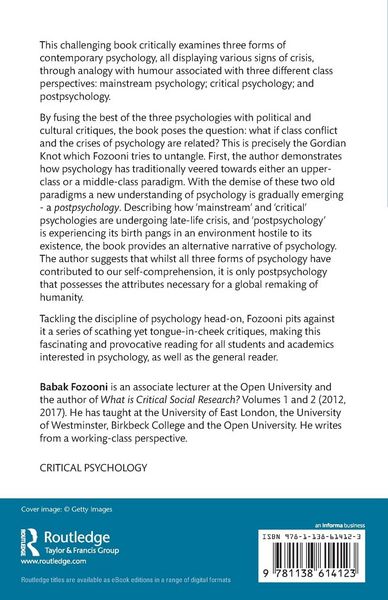
Psychology, Humour and Class A Critique of Contemporary Psychology

Fr. 89.90

inkl. gesetzl. MwSt., Versandkostenfrei


Beschreibung

Produktdetails

Einband

Taschenbuch

Erscheinungsdatum

07.04.2020

Verlag

Taylor & Francis

Seitenzahl

370

Maße (L/B/H)

21.6/14/2.1 cm

Gewicht

480 g

Sprache

Englisch

ISBN

978-1-138-61412-3

Beschreibung

Produktdetails

Einband

Taschenbuch

Erscheinungsdatum

07.04.2020

Verlag

Taylor & Francis

Seitenzahl

370

Maße (L/B/H)

21.6/14/2.1 cm

Gewicht

480 g

Sprache

Englisch

ISBN

978-1-138-61412-3

Herstelleradresse

Libri GmbH
Europaallee 1
36244 Bad Hersfeld
DE

Email: gpsr@libri.de

Noch keine Bewertungen vorhanden

Verfassen Sie die erste Bewertung zu diesem Artikel

Helfen Sie anderen Kundinnen und Kunden durch Ihre Meinung.

Kundinnen und Kunden meinen

Bewertungen (0)

Die Leseprobe wird geladen.
  • Produktbild: Psychology, Humour and Class
  • Produktbild: Psychology, Humour and Class
  • Preface Apologia Introduction Part One: Mainstream Psychology as Upper Class Prescriptions Chapter 1: Freud and social class Chapter 2: Hirschfeld, class and sexuality Chapter 3: Watsonian capitalism Chapter 4: Maslow and peak capitalism Chapter 5: Carl Rogers: the bolo tie 'internationalist'! Part Two: Critical Psychology as Middle Class Musings Chapter 6: Frankl: The inconvenient existentialist Chapter 7: Laing: The naughty existentialist! Chapter 8: For Foucault's sake Chapter 9: Billig: the sultan of critical psychology Chapter 10: Parker and critical psychology: OK, now what? Part Three: Postpsychology as Working Class Stutterings Chapter 11: Giambattista Vico, imagination and postpsychology Chapter 12: Joseph Dietzgen: (one of) our philosophers! Chapter 13: Alfred Sohn-Rethel and rabid capitalism Chapter 14: Erich Fromm and postpsychology Chapter 15: Antonin Artaud and embodiment Chapter 16: Vygotsky is postpsychology! Chapter 17: Bakhtin completes Vygotsky Chapter 18: Luria completes Bakhtin who completed Vygotsky! Discussion List of references