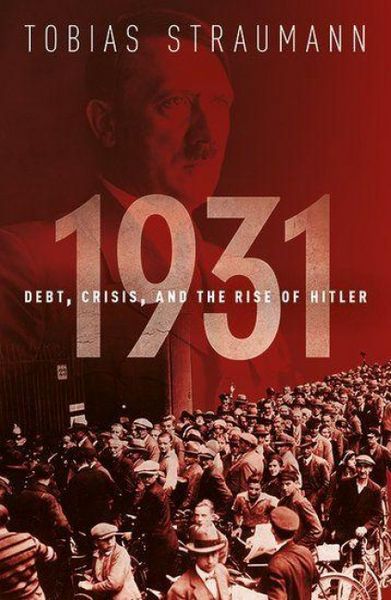
1931 Debt, Crisis, and the Rise of Hitler
-
- Englisch ausgewählt
Fr. 24.90
inkl. gesetzl. MwSt.,
-
Kostenlose Lieferung ab Fr. 30 Einkaufswert
Schweiz & Liechtenstein:
Versandkostenfrei ab Fr. 30.00
Versandkosten bis Fr. 30.00: Fr. 3.50Andere Lieferländer
Fr. 18.00 unabhängig vom Warenwert
Beschreibung
Produktdetails
Verkaufsrang
22662
Einband
Taschenbuch
Erscheinungsdatum
08.10.2020
Abbildungen
16 black and white images
Verlag
Oxford University PressSeitenzahl
272
Maße (L/B/H)
21.3/13.7/2.5 cm
Gewicht
275 g
Sprache
Englisch
ISBN
978-0-19-881619-5
The origins of the collapse lay in Germany's large pile of foreign debt denominated in gold-backed currencies, which condemned the German government to cut spending, raise taxes, and lower wages in the middle of a worldwide recession. As political resistance to this policy of austerity grew, the German government began to question its debt obligations, prompting foreign investors to panic and sell their German assets. The resulting currency crisis led to the failure of the already weakened banking system and a partial sovereign default.
Hitler managed to profit from the crisis because he had been the most vocal critic of the reparation regime responsible for the lion's share of German debts. As the financial system collapsed, his relentless attacks against foreign creditors and the alleged complicity of the German government resonated more than ever with the electorate. The ruling parties that were responsible for the situation lost their credibility and became defenceless in the face of his onslaught against an establishment allegedly selling the country out to her foreign creditors. Meanwhile, these creditors hesitated too long to take the wind out of Hitler's sails by offering debt relief. In this way, a financial crisis soon developed into a political catastrophe for both Europe and the world.
Noch keine Bewertungen vorhanden
Verfassen Sie die erste Bewertung zu diesem Artikel
Helfen Sie anderen Kundinnen und Kunden durch Ihre Meinung.