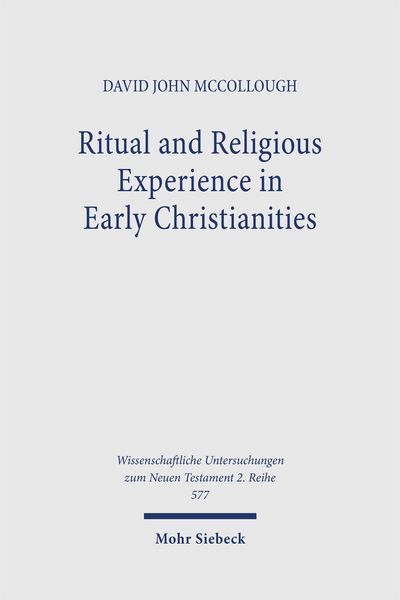
Produktbild: Ritual and Religious Experience in Early Christianities

Ritual and Religious Experience in Early Christianities The Spirit In Between

Fr. 95.90

inkl. gesetzl. MwSt., Versandkostenfrei


Beschreibung

Produktdetails

Einband

Taschenbuch

Erscheinungsdatum

14.09.2022

Verlag

Mohr Siebeck

Seitenzahl

278

Maße (L/B/H)

1.5/15.7/1.6 cm

Gewicht

422 g

Auflage

1

Sprache

Englisch

ISBN

978-3-16-161833-8

Beschreibung

Produktdetails

Einband

Taschenbuch

Erscheinungsdatum

14.09.2022

Verlag

Mohr Siebeck

Seitenzahl

278

Maße (L/B/H)

1.5/15.7/1.6 cm

Gewicht

422 g

Auflage

1

Sprache

Englisch

ISBN

978-3-16-161833-8

Herstelleradresse

Mohr Siebeck GmbH & Co. KG
Wilhelmstr. 18
72074 Tübingen
Deutschland
Email: sales@mohrsiebeck.com
Url: www.mohrsiebeck.com
Telephone: +49 7071 92317
Fax: +49 7071 51104

Noch keine Bewertungen vorhanden

Verfassen Sie die erste Bewertung zu diesem Artikel

Helfen Sie anderen Kundinnen und Kunden durch Ihre Meinung.

Kundinnen und Kunden meinen

Bewertungen (0)

  • Produktbild: Ritual and Religious Experience in Early Christianities
  • 1. Introduction

    2. Exegetical Methodology

    2.1 Introduction

    2.2 Acts: The Dual Problems of Historicity and Intelligibility

    2.3 Methodological Problems

    2.4 Methodological Solutions

    2.5 Acts and History Again: Which Historical Audience?

    3. Exegesis

    3.1 Pauline Epistles

    3.2 Luke-Acts

    4. Interpretation

    4.1 Introduction

    4.2 Understanding Notions of Culture and Their Relationship to Spirit Possession

    4.3 What's So Special About Initiation? Ritual Form Theory and Lukan Baptism(s)

    4.4 Spirit Impartation as Performative Ritual

    4.5 Commitment Signalling Theory: Costly and Charismatic

    4.6 Identity Fusion in the Early Christian Sect: How Initiatory Spirit-Possession Formed Social Bonds Among the Early Christians

    4.7 Sacred Values and the Early Christian Sect

    4.8 Emotion and the Early Christian Sect

    4.9 Mediation in the Early Christian Sect

    4.10 Why Did People Become Christians in the First Century?

    5. Conclusion