Beschreibung
Produktdetails
Format
Kopierschutz
Nein
Family Sharing
Nein
Text-to-Speech
Nein
Erscheinungsdatum
21.08.2022
Herausgeber
Ulrike Boehmer + weitereVerlag
SpringerSeitenzahl
335 (Printausgabe)
Dateigröße
8283 KB
Sprache
Englisch
EAN
9783031065859
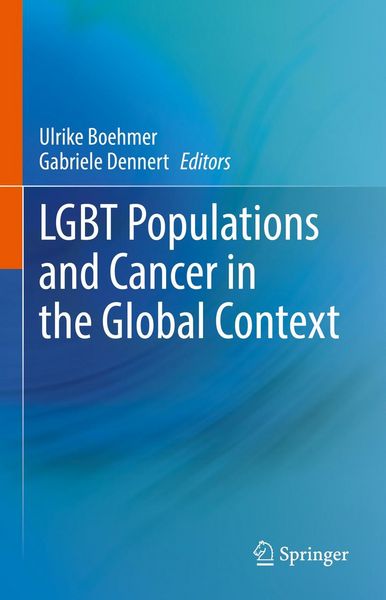
Lesbian, Gay, Bisexual, and Transgender (LGBT) also known as sexual and gender minority (SGM) populations have been the focus of global attention. Most importantly, LGBT populations have been addressed in the context of human rights in multiple reports and other activities by the United Nations and other international organizations. There is great variation among countries in the recognition of LGBT individuals' human rights. A global focus on LGBT populations' health is still limited, with the notable exception of HIV research. This book on LGBT populations and cancer in the global context is, therefore, an important step in that it will broaden the focus on LGBT populations' health.
Globally, cancer is the second leading cause of death. Cancer morbidity and mortality are increasing disproportionately among populations in lower-income countries. A review conducted by the World Health Organization (WHO) found that of the 82% of member states (158) countries, only 35% of the national cancer control plans addresses vulnerable population, including LGBT populations. These findings reflect an increasing awareness about equity when addressing cancer prevention and control, including LGBT populations.
This book addresses LGBT populations' cancer burden across countries that range from high- to low-income countries to support efforts in diverse countries that are working towards reducing LGBT populations' cancer burden. It documents place-specific challenges that impede progress towards reducing the LGBT cancer burden as well as critically assesses the variation in cancer control efforts that target LGBT populations and cancer to support progress at a global scale. This book includes six sections that cover the six WHO regions, with each chapter written by an author from the specific region s/he is covering. Each chapter makes use of a template that contextualizes the region, local data collection/availability, risk factors, cancerprevention, detection, diagnosis, treatment, and survivorship.Kundinnen und Kunden meinen
Verfassen Sie die erste Bewertung zu diesem Artikel
Helfen Sie anderen Kund*innen durch Ihre Meinung
Weitere Artikel finden Sie in
- eBooks >
- Fachbücher >
- Medizin