KI-Beratung Beta

  • Produktbild: Genocidal Conscription
  • Produktbild: Genocidal Conscription

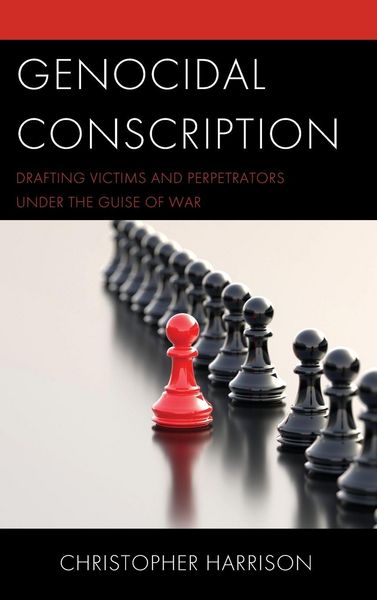
Genocidal Conscription Drafting Victims and Perpetrators under the Guise of War

Fr. 122.00

inkl. gesetzl. MwSt., Versandkostenfrei


Beschreibung

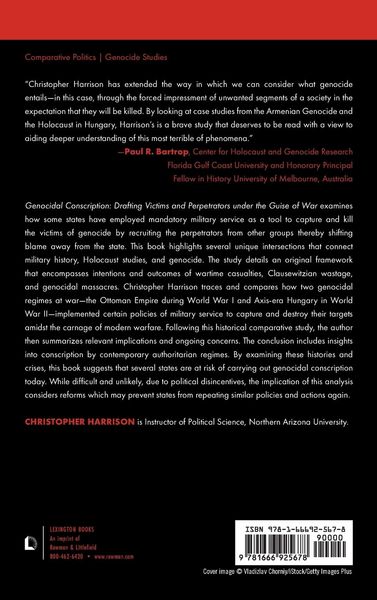
Genocidal Conscription identifies a previously underexamined method by which two states, the Ottoman Empire in World War One and Axis-era Hungary during World War Two, used conscription – mandatory military service – to commit genocide under the guise of war. The book addresses implications and analyzes...

Beschreibung

Genocidal Conscription identifies a previously underexamined method by which two states, the Ottoman Empire in World War One and Axis-era Hungary during World War Two, used conscription – mandatory military service – to commit genocide under the guise of war. The book addresses implications and analyzes contemporary issues in authoritarian regimes.

Produktdetails

Einband

Gebundene Ausgabe

Erscheinungsdatum

21.06.2023

Abbildungen

5 tables;

Verlag Ingram Publishers Services

Produktdetails

Einband

Gebundene Ausgabe

Erscheinungsdatum

21.06.2023

Abbildungen

5 tables;

Verlag Ingram Publishers Services
Seitenzahl

204

Maße (L/B/H)

23.5/15.7/1.7 cm

Gewicht

441 g

Sprache

Englisch

ISBN

978-1-66692-567-8

Herstelleradresse

Libri GmbH
Europaallee 1
36244 Bad Hersfeld
DE

Email: gpsr@libri.de

Noch keine Bewertungen vorhanden

Verfassen Sie die erste Bewertung zu diesem Artikel

Helfen Sie anderen Kundinnen und Kunden durch Ihre Meinung.

Kundinnen und Kunden meinen

Bewertungen (0)

Die Leseprobe wird geladen.
  • Produktbild: Genocidal Conscription
  • Produktbild: Genocidal Conscription
  • Part I: Genocide, Conscription, and the Wastage of War
    Chapter 1: Conscription for War and Genocide?
    Chapter 2: Historical Developments of Modern Conscripted Warfare
    Part II: Genocidal Conscription
    Chapter 3: Genocide by Wastage
    Chapter 4: Conscription by the Ottoman Empire in World War One
    Chapter 5: Axis-Era Hungary's Conscripts of World War Two
    Part III: Analysis, Contemporary Concerns, and Conclusions
    Chapter 6: Comparative Findings
    Chapter 7: Potential Cases Today and Conclusions