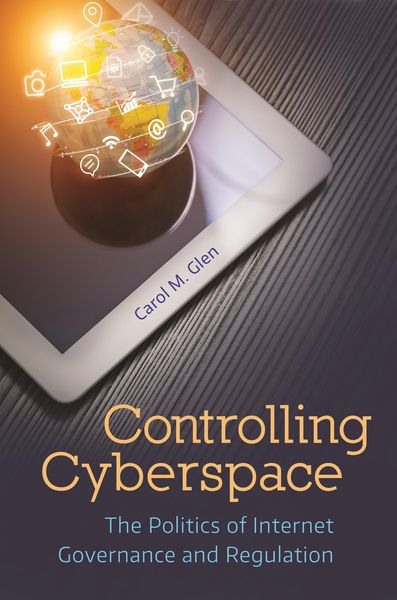
Controlling Cyberspace The Politics of Internet Governance and Regulation
-
- Hardcover
- Taschenbuch
- eBook ausgewählt
-
Form:Einzelkauf Download
-
Sprache:Englisch
-
eBook Format:ePUB
- PDF Fr. 36.90
- ePUB Fr. 36.90 ausgewählt
Fr. 36.90
inkl. gesetzl. MwSt.Beschreibung
Produktdetails
Format
ePUB
Kopierschutz
Ja
Family Sharing
Nein
Text-to-Speech
Ja
Altersempfehlung
ab 7 Jahr(e)
Erscheinungsdatum
07.12.2017
Verlag
Bloomsbury eBooks USSeitenzahl
216 (Printausgabe)
Auflage
1. Auflage
Sprache
Englisch
EAN
9798216065968
Informed by theories of international relations, this book assesses global political conflicts over cyberspace. It also analyzes the unique governance challenges that the Internet presents, both in terms of technical problems and control over content.
The internet is a resource of unparalleled importance to all countries and societies, but the current decentralized system of Internet governance is being challenged by governments that seek to assert sovereign control over the technology. The political battles over governing the Internet-ones that are coming and conflicts that have already started-have far-reaching implications. This book analyzes the shifting nature of internet governance as it affects timely and significant issues including internet freedom, privacy, and security, as well as individual and corporate rights.
Controlling Cyberspace covers a broad range of issues related to internet governance, presenting a technical description of how the internet works, an overview of the internet governance ecosystem from its earliest days to the present, an examination of the roles of the United Nations and other international and regional organizations in internet governance, and a discussion of internet governance in relation to specific national and international policies and debates. Readers will consider if internet access is a human right and if the right to freedom of expression applies equally to the exchange of information online. The book also addresses how the digital divide between those in developed countries and the approximately 5 billion people who do not have access to the internet affects the issue of internet governance, and it identifies the challenges involved in protecting online privacy in light of government and corporate control of information.
The internet is a resource of unparalleled importance to all countries and societies, but the current decentralized system of Internet governance is being challenged by governments that seek to assert sovereign control over the technology. The political battles over governing the Internet-ones that are coming and conflicts that have already started-have far-reaching implications. This book analyzes the shifting nature of internet governance as it affects timely and significant issues including internet freedom, privacy, and security, as well as individual and corporate rights.
Controlling Cyberspace covers a broad range of issues related to internet governance, presenting a technical description of how the internet works, an overview of the internet governance ecosystem from its earliest days to the present, an examination of the roles of the United Nations and other international and regional organizations in internet governance, and a discussion of internet governance in relation to specific national and international policies and debates. Readers will consider if internet access is a human right and if the right to freedom of expression applies equally to the exchange of information online. The book also addresses how the digital divide between those in developed countries and the approximately 5 billion people who do not have access to the internet affects the issue of internet governance, and it identifies the challenges involved in protecting online privacy in light of government and corporate control of information.
Kundinnen und Kunden meinen
Verfassen Sie die erste Bewertung zu diesem Artikel
Helfen Sie anderen Kund*innen durch Ihre Meinung