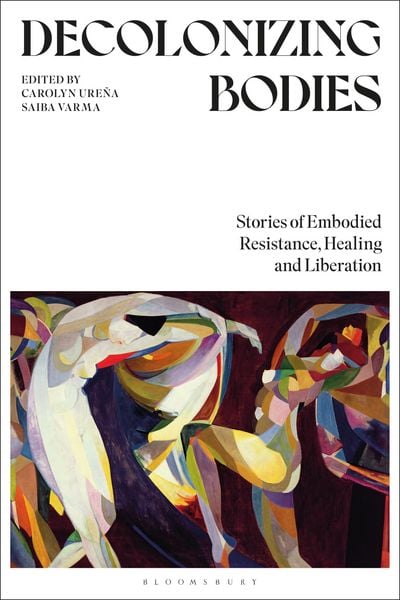
Decolonizing Bodies Stories of Embodied Resistance, Healing and Liberation
-
- Englisch ausgewählt
Fr. 113.00
inkl. gesetzl. MwSt.,
Beschreibung
Produktdetails
Einband
Gebundene Ausgabe
Erscheinungsdatum
20.02.2025
Herausgeber
Carolyn Ureña + weitereVerlag
BloomsburySeitenzahl
184
Maße (L/B/H)
23.4/15.6/1.1 cm
Gewicht
420 g
Sprache
Englisch
ISBN
978-1-350-37488-1
Decolonizing Bodies offers novel theorizations of how racial capitalism, colonialism, and heteropatriarchal violence erode the bodily schema and experiences of racialized and colonized populations, profoundly constraining their being in the world. The book invigorates embodiment studies by centering the experiences and struggles of Black, Indigenous, colonized, disabled, queer, and racialized subjects, showing how they live these displacements and disintegrations. The volume powerfully demonstrates how racism and colonialism sediment in bodily and habitual registers that are active, ongoing, made and remade. Bodies, the contributors argue, powerfully register the impacts of colonial and racialized violence, but through practices of embodiment, they also digest, expel, and transform them. In centering non-normative subjective experiences and making space for different kinds of embodied knowledge, Decolonizing Bodies also takes a step toward decolonizing academic knowledge. This exciting and urgent book offers readers new ways of imagining, choreographing and enacting the body. Beyond connecting distant geographies of harm, it celebrates polymorphous decolonial repertoires that record, creatively narrate, and heal.
Kundinnen und Kunden meinen
Verfassen Sie die erste Bewertung zu diesem Artikel
Helfen Sie anderen Kund*innen durch Ihre Meinung