
• Produktbild: A Progressive Approach to Applied Behavior Analysis
  • Produktbild: A Progressive Approach to Applied Behavior Analysis

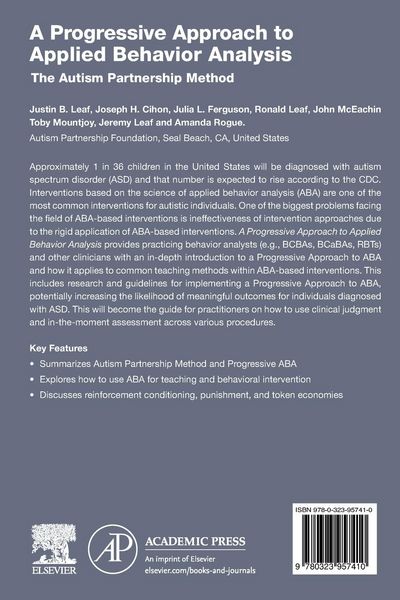
A Progressive Approach to Applied Behavior Analysis The Autism Partnership Method

Fr. 193.00

inkl. gesetzl. MwSt., Versandkostenfrei


Beschreibung

Produktdetails

Einband

Taschenbuch

Erscheinungsdatum

21.09.2023

Verlag

Elsevier Science & Technology

Seitenzahl

404

Maße (L/B/H)

22.9/15.2/2.1 cm

Gewicht

540 g

Sprache

Englisch

ISBN

978-0-323-95741-0

Beschreibung

Produktdetails

Einband

Taschenbuch

Erscheinungsdatum

21.09.2023

Verlag

Elsevier Science & Technology

Seitenzahl

404

Maße (L/B/H)

22.9/15.2/2.1 cm

Gewicht

540 g

Sprache

Englisch

ISBN

978-0-323-95741-0

Herstelleradresse

Libri GmbH
Europaallee 1
36244 Bad Hersfeld
DE

Email: GPSR Kontakt

Noch keine Bewertungen vorhanden

Verfassen Sie die erste Bewertung zu diesem Artikel

Helfen Sie anderen Kundinnen und Kunden durch Ihre Meinung.

Kundinnen und Kunden meinen

Bewertungen (0)

Die Leseprobe wird geladen.
  • Produktbild: A Progressive Approach to Applied Behavior Analysis
  • Produktbild: A Progressive Approach to Applied Behavior Analysis
  • About the authors

    1. Applied behavior analysis

    What is ABA?
    Some research examples
    Recent events
    Summary
    References

    2. An overview and history of the Autism Partnership Method

    First tenet: Clinical judgment
    Second tenet: Learner-centered
    Third tenet: Meaningful and functional curriculum
    Fourth tenet: Flexible procedures
    Fifth tenet: Working with the whole family
    Sixth tenet: Performance-based staff training
    Seventh tenet: Compassion
    The history of the APM
    References

    3. Respondent and operant behavior

    Reflexes and respondent behavior
    Operant behavior
    Some important notes
    Summary
    References

    4. Stimulus control and generalization

    Generalization
    Summary
    References

    5. Reinforcement: Overview, identification, conditioning

    Reinforcer identification
    Conditioning reinforcers
    Summary
    References

    6. Punishment: Overview, concerns, and use

    Some concerns with the use of punishment-based procedures
    Clinical considerations
    Some punishment-based procedures
    Summary
    References

    7. Token economies and other contingency systems

    Components of token systems
    The commonality of token economies
    Advantages and disadvantages of token systems
    Some relevant research
    Clinical recommendations and progressive approaches to token systems
    Summary
    References

    8. Respondent conditioning procedures

    Considerations related to respondent behavior in autism intervention
    Summary
    References

    9. Task analysis and chaining

    Task analysis
    Chaining
    Research
    Summary
    References

    10. Shaping

    A sample of research
    Clinical recommendations
    Summary
    References

    11. Prompting

    Prompt types
    Prompting systems
    Flexible prompt fading: The APM prompting system
    Summary
    References

    12. Discrete trial teaching

    Components of DTT
    Summary
    References

    13. Naturalistic instruction

    Incidental teaching
    Embedded instructions
    Summary
    References

    14. The teaching interaction procedure

    Overview
    Teaching interaction procedure research
    Summary
    References

    15. Cool versus Not Cool procedure

    Steps of the CNC procedure
    Misuses of the CNC procedure
    History and research
    Summary
    References

    16. Social skills groups

    Hallmarks of behaviorally based social skills groups
    Research
    Summary
    References

    17. Functional behavior assessment and functional analysis

    Overview of functional behavior assessment
    Types of functional analysis
    History of FBA and functional analysis
    Autism partnership method to FBAs and FAs
    References

    18. Differential reinforcement

    Differential reinforcement of other behavior
    Differential reinforcement of alternative behavior
    Differential reinforcement of incompatible behavior
    Differential reinforcement of low rates of behavior and differential reinforcement of high rates of behavior
    Some progressive considerations regarding differential reinforcement
    Summary
    References

    19. Extinction and response cost

    Misperceptions and clarifications related to extinction
    Response cost
    Misperceptions and clarifications related to response cost
    Recommendations for practice
    Summary
    References

    20. Time out from positive reinforcement and the time-in ribbon

    Time-out from positive reinforcement
    Research on time-out
    Autism partnership method and time-out
    Time-in ribbon
    Summary
    References

    21. Measurement systems

    Considerations in selecting a measurement system
    Measurement systems
    Measuring with our heart
    Summary
    References

    22. Formal assessments

    The assessments
    Summary
    References

    23. Curriculum assessment

    Common curriculum assessments
    Autism Partnership Method and curricular assessment
    Building the curriculum
    References

    24. Learning-how-to-learn curriculum

    The skills
    Summary
    References

    25. Social skills curriculum

    Reasons why we teach social skills
    Reasons why social skills development is often not a priority
    What to teach: The social skills taxonomy
    How to teach social behavior
    Don't forget
    Summary
    References

    26. Language curriculum

    Language programs
    Summary
    References

    27. Self-help and adaptive behaviors

    Toilet training
    Mealtime challenges
    Sleep
    Appearance checks
    Basic efficiency and organization
    Walk with me
    Crossing the street safely
    Following a visual or written schedule
    Self-advocacy
    Summary
    References

    28. Working with parents of autistic children

    Prediagnosis stress
    Diagnostic process stress
    Postdiagnosis stress
    Intervention stress
    Autism partnership method of parent support
    Research on parent training
    Summary
    References

    29. Siblings

    Sibling relationship throughout the lifespan
    The Autism Partnership Method and siblings
    References

    30. Staff and staff training

    Characteristics of quality interventionists
    Additional skills interventionists should display
    Additional skills supervisors should display
    Staff training
    Summary
    References

    Index