Why Leaders Choose War The Psychology of Prevention
Fr. 60.90
inkl. gesetzl. MwSt.Beschreibung
Produktdetails
Format
Kopierschutz
Ja
Family Sharing
Nein
Text-to-Speech
Nein
Altersempfehlung
ab 7 Jahr(e)
Erscheinungsdatum
30.05.2006
Verlag
Bloomsbury eBooks USSeitenzahl
240 (Printausgabe)
Auflage
1. Auflage
Sprache
Englisch
EAN
9780313081460
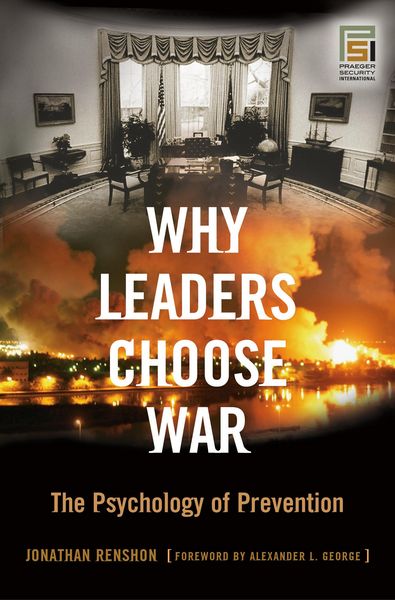
Preventive war has a long history in international politics, but until it became an instrumental part of the Bush Doctrine, it was mostly overlooked. Renshon argues that the best avenue for understanding decisions to initiate preventive action is through a close examination of the individual leader responsible for such decisions. In this work, he develops a theory of psychological motivations for preventive action. By examining five situations, including the Iraq war, he pinpoints the factors that matter most in decisions to take preventive military action.
There have been preventive wars throughout history, but the motivations behind them have remained elusive, and many crucial questions remain unanswered. What exactly constitutes preventive action? What differentiates preventive action from pre-emptive action? Are there significant differences between preventive strikes and full-on preventive wars? What is the relationship of preventive action to traditional concepts of deterrence, compellence, and international law? Finally, why do states initiate preventive action?
Renshon argues that the best avenue for understanding decisions to initiate preventive action is through a close examination of the individual leader responsible for such decisions.
There have been preventive wars throughout history, but the motivations behind them have remained elusive, and many crucial questions remain unanswered. What exactly constitutes preventive action? What differentiates preventive action from pre-emptive action? Are there significant differences between preventive strikes and full-on preventive wars? What is the relationship of preventive action to traditional concepts of deterrence, compellence, and international law? Finally, why do states initiate preventive action?
Renshon argues that the best avenue for understanding decisions to initiate preventive action is through a close examination of the individual leader responsible for such decisions.
Kundinnen und Kunden meinen
Verfassen Sie die erste Bewertung zu diesem Artikel
Helfen Sie anderen Kund*innen durch Ihre Meinung