Identity in the COVID-19 Years Communication, Crisis, and Ethics
-
- Hardcover
- Taschenbuch
- eBook ausgewählt
-
Form:Einzelkauf Download
-
Sprache:Englisch
-
eBook Format:PDF
- PDF Fr. 27.90 ausgewählt
- ePUB Fr. 27.90
Fr. 27.90
inkl. gesetzl. MwSt.Beschreibung
Produktdetails
Format
Kopierschutz
Ja
Family Sharing
Nein
Text-to-Speech
Nein
Erscheinungsdatum
16.11.2023
Verlag
Bloomsbury eBooks USSeitenzahl
192 (Printausgabe)
Auflage
1. Auflage
Sprache
Englisch
EAN
9781501393709
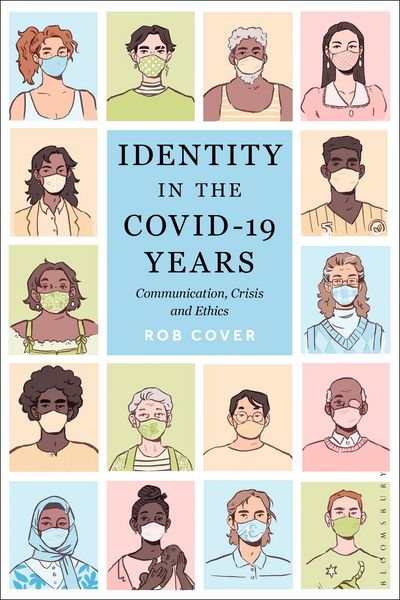
Identity in the Covid-19 Years explores the how the COVID-19 pandemic has been represented in media, communication and culture, and the role these changes have played in renewing how we understand identity, engage in social belonging and relate ethically to each other and the world.
This book explores how the COVID-19 pandemic has had a significant impact on how we perform our identities, engage in social belonging, and communicate with each other. Understanding the onset of the pandemic as a moment experienced as cultural rupture, Cover provides a framework for understanding how selfhood, belonging, relationships and perceptions of time and space have undergone a disruption that not only is damaging to continuity and stability but also provides positive value through renewal and the re-making of the self and ways of living ethically.
Drawing on philosophic, media and cultural studies approaches, this book describes how networks of mutual care and global interdependency have been powerfully drawn out by the experience of the pandemic, yet also disavowed in some settings in favour of a problem individualism and sustained inequalities.
The roles of disruption and interdependency are examined across an array of pandemic-related topics, including health communication, apocalyptic storytelling, lockdowns and immobilities, mask-wearing, social distancing and new practices touch, anti-vaccination discourses, and frameworks for mourning the lost past and the uncertain future. By focusing on the impact of the pandemic on identity, this work explains and revisits theories of belonging and ethics to help us understand how new ways of perceiving our vulnerability may lead to more positive, inclusive and ethical ways of living.
This book explores how the COVID-19 pandemic has had a significant impact on how we perform our identities, engage in social belonging, and communicate with each other. Understanding the onset of the pandemic as a moment experienced as cultural rupture, Cover provides a framework for understanding how selfhood, belonging, relationships and perceptions of time and space have undergone a disruption that not only is damaging to continuity and stability but also provides positive value through renewal and the re-making of the self and ways of living ethically.
Drawing on philosophic, media and cultural studies approaches, this book describes how networks of mutual care and global interdependency have been powerfully drawn out by the experience of the pandemic, yet also disavowed in some settings in favour of a problem individualism and sustained inequalities.
The roles of disruption and interdependency are examined across an array of pandemic-related topics, including health communication, apocalyptic storytelling, lockdowns and immobilities, mask-wearing, social distancing and new practices touch, anti-vaccination discourses, and frameworks for mourning the lost past and the uncertain future. By focusing on the impact of the pandemic on identity, this work explains and revisits theories of belonging and ethics to help us understand how new ways of perceiving our vulnerability may lead to more positive, inclusive and ethical ways of living.
Kundinnen und Kunden meinen
Verfassen Sie die erste Bewertung zu diesem Artikel
Helfen Sie anderen Kund*innen durch Ihre Meinung