Gutscheinbedingungen

*Gültig bis 07.06.2026 auf (fast) alles. Ausgeschlossen sind Smartboxen, Zeitschriften, Tickets, Lebensmittel, Gaming-Elektroartikel, Tinte/Toner, Gutscheine, Geschenkkarten, Blumen und Abos | Einlösbar in allen Buchhandlungen von Orell Füssli, Barth Bücher, Buchladen Rapunzel, Schuler Orell Füssli, Stauffacher und ZAP unter Vorweisung des Gutscheins, auf www.orellfüssli.ch durch Eingabe des Gutscheincodes. Beim Service „eBooks verschenken“ und bei eBook-Käufen via eReader nicht einlösbar | Mindesteinkaufswert: Fr. 100.- | Nicht mit anderen Rabatten kumulierbar.

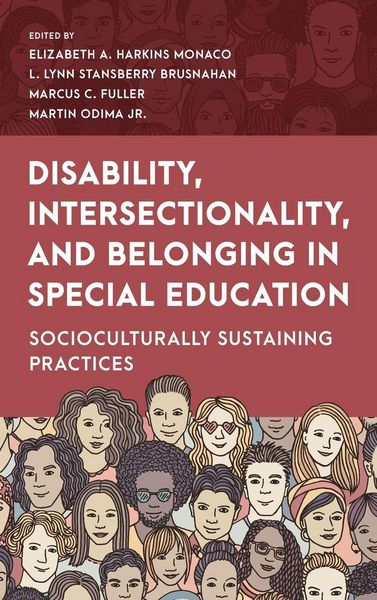
  • Produktbild: Disability, Intersectionality, and Belonging in Special Education
  • Produktbild: Disability, Intersectionality, and Belonging in Special Education

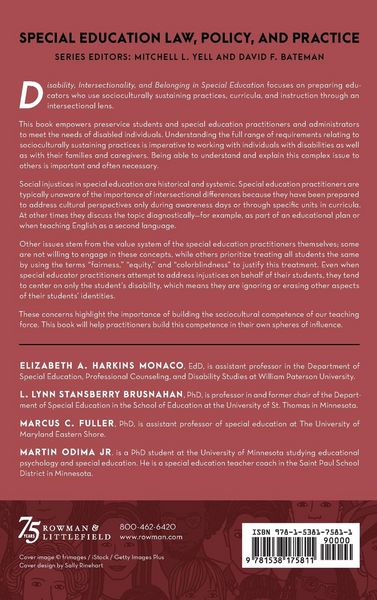
Disability, Intersectionality, and Belonging in Special Education Socioculturally Sustaining Practices

Fr. 143.00

inkl. gesetzl. MwSt., Versandkostenfrei


Beschreibung

Produktdetails

Einband

Gebundene Ausgabe

Altersempfehlung

18 - 22 Jahr(e)

Erscheinungsdatum

23.02.2024

Abbildungen

9 BW Illustrations, 24 BW Photos, 43 Tables

Verlag

Rowman & Littlefield

Seitenzahl

450

Maße (L/B/H)

23.5/15.7/2.9 cm

Gewicht

758 g

Sprache

Englisch

ISBN

978-1-5381-7581-1

Beschreibung

Produktdetails

Einband

Gebundene Ausgabe

Altersempfehlung

18 - 22 Jahr(e)

Erscheinungsdatum

23.02.2024

Abbildungen

9 BW Illustrations, 24 BW Photos, 43 Tables

Verlag

Rowman & Littlefield

Seitenzahl

450

Maße (L/B/H)

23.5/15.7/2.9 cm

Gewicht

758 g

Sprache

Englisch

ISBN

978-1-5381-7581-1

Herstelleradresse

Libri GmbH
Europaallee 1
36244 Bad Hersfeld
DE

Email: gpsr@libri.de

Kundinnen und Kunden meinen

0 Bewertungen

Informationen zu Bewertungen

Zur Abgabe einer Bewertung ist eine Anmeldung im Konto notwendig. Die Authentizität der Bewertungen wird von uns nicht überprüft. Wir behalten uns vor, Bewertungstexte, die unseren Richtlinien widersprechen, entsprechend zu kürzen oder zu löschen.

Die Bewertungen sind nach Format, Anzahl Sterne und Datum sortiert.

Verfassen Sie die erste Bewertung zu diesem Artikel

Helfen Sie anderen Kund*innen durch Ihre Meinung

Kundinnen und Kunden meinen

0 Bewertungen filtern

Die Leseprobe wird geladen.
  • Produktbild: Disability, Intersectionality, and Belonging in Special Education
  • Produktbild: Disability, Intersectionality, and Belonging in Special Education
  • Table of Contents

    Section I: From the Culture of Disability-to-Disability Culture

    Chapter 1: Historical and Modern Contexts of Culture and the Impact on Belonging
    Author Biographies
    Abstract
    Guiding Questions
    Culture
    A Modern View of Culture
    Cultural Expressions in Schools
    Cultural Expressions in Schools
    References

    Chapter 2: Intersectionality in the Context of Disability
    Author Biographies
    Abstract
    Guiding Questions
    The Impact of Intersectional Sociocultural Identities
    Intersectional Competence in Special Education
    Summary
    References

    Chapter 3: Disability Culture in the Deaf and Autistic Communities
    Author Biographies
    Abstract
    Guiding Questions
    Disability as a Sociocultural Identity
    Disability Culture in Educational Contexts
    Inequities in Education
    Summary
    References

    Section II: Critical Theories that Influence our Views of Disability and Race

    Chapter 4: Critical Race Theory: The Dos, the Don'ts, the Already Dones, & the Stop Doings
    Author Biographies
    Abstract
    Guiding Questions
    The History of CRT
    The Do's: What is CRT?
    The Don'ts: What CRT is Not
    The Already Dones: Critical Race Theory in Education
    Summary
    References

    Chapter 5: The Journey of Disability Studies: Contemplating Disability Critically
    Author Biographies
    Abstract
    Disability Studies
    Discovering the Need for Critical Disability Studies
    Seeking Racial Justice
    Looking Forward
    Summary
    References

    Chapter 6: The History of Disability, Disability Models, and a View for the Future: The Past is Prologue
    Author Biographies
    Abstract
    Guiding Questions
    Introduction to the History of Disability Rights in the United States
    Models of Disability
    The Language of Disability
    Disability in the Media
    Models of Disability in Education
    Summary
    References

    Section III: Educational Frameworks that Champion Equity
    Chapter 7: Intersectional Sociocultural Competency and Educational Equity
    Author Biographies
    Abstract
    Guiding Questions
    Equity
    Summary
    References

    Chapter 8: Culturally and Linguistically Sustaining Practices: The What, the Why, and the How
    Author Biographies
    Abstract
    Guiding Questions
    What and Why Culturally and Linguistically Sustaining Pedagogy?
    Embedding Practices into Special Education Teaching Frameworks
    From Culturally and Linguistically Sustaining Practices to Socioculturally Sustaining Practices
    Summary
    References

    Chapter 9: Educational Practices to Acknowledge and Incorporate Students' Sociocultural Identities and Experiences
    Author Biographies
    Abstract
    Guiding Questions
    Special Education
    Now What: Remixed Education
    Summary
    References

    Section IV: Social and Cultural Rights Movements that Impact Special Education

    Chapter 10: Disability Rights: The Impact of Social and Cultural Movements on Special Education
    Author Biographies
    Abstract
    Guiding Questions
    Ableism
    Social and Cultural Rights Movements in the 20th Century
    Disability as a Cultural Phenomenon
    Effective Interventions for Increasing a Sense of Belonging
    Summary
    References

    Chapter 11: The Push and Pull of the Litigation-Legislation-Litigation Cycle
    Author Biographies
    Abstract
    Guiding Questions
    United States Special Education Law
    Impact of Activism on Language
    Inclusion and Least Restrictive Environment (LRE)
    Disproportionality
    Educational Frameworks
    Summary
    References

    Chapter 12: Intersectional Belonging in Special Education
    Author Biographies
    Abstract
    Guiding Questions
    Factors that Impact Special Education
    Special Education's Impact
    Creating a Sense of Belonging
    Summary
    References

    Editor Biographies
    Glossary