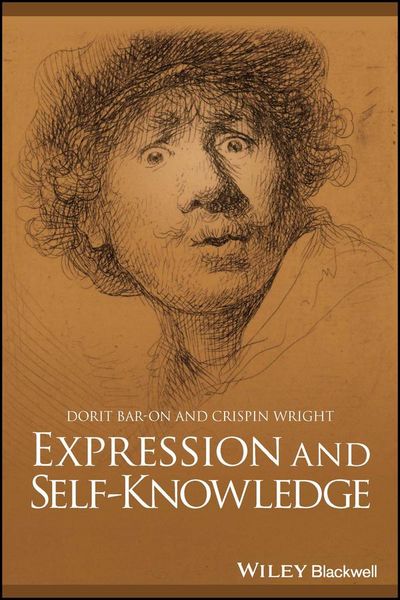
Expression and Self-Knowledge
-
- Taschenbuch
- eBook ausgewählt
-
Form:Einzelkauf Download
-
Sprache:Englisch
-
eBook Format:PDF
- PDF Fr. 65.00 ausgewählt
- ePUB 3 Fr. 22.00
Fr. 65.00
inkl. gesetzl. MwSt.Beschreibung
Produktdetails
Format
Kopierschutz
Ja
Family Sharing
Nein
Text-to-Speech
Nein
Erscheinungsdatum
08.09.2023
Verlag
Wiley-IEEE PressSeitenzahl
(Printausgabe)
Dateigröße
2706 KB
Auflage
1. Auflage
Sprache
Englisch
EAN
9781118908556
Provides a timely and original contribution to the debate surrounding privileged self-knowledge
Contemporary epistemologists and philosophers of mind continue to find puzzling the nature and source of privileged self-knowledge: the ordinary and effortless 'first-person' knowledge we have of our own sensations, moods, emotions, beliefs, desires, and hopes.
In Expression and Self-Knowledge, Dorit Bar-On and Crispin Wright articulate their joint dissatisfaction with extant accounts of self-knowledge and engage in a sustained and substantial critical debate over the merits of an expressivist approach to the topic. The authors incorporate cutting-edge research while defending their own alternatives to existing approaches to so-called 'first-person privilege'.
Bar-On defends her neo-expressivist account, addressing the objection that neo-expressivism fails to provide an adequate epistemology of ordinary self-knowledge, and addresses new objections levelled by Wright. Wright then presents an alternative pluralist approach, and Bar-On argues in response that pluralism faces difficulties neo-expressivism avoids. Providing invaluable insights on a hotly debated topic in epistemology and philosophy of mind, Expression and Self-Knowledge:
* Presents an in-depth debate between two leading philosophers over the expressivist approach
* Offers novel developments and penetrating criticisms of the authors' respective views
* Features two different perspectives on the influential remarks on expression and self-knowledge found in Wittgenstein's later writings
* Includes four jointly written chapters that offer a critical overview of prominent existing accounts, which provide a useful advanced introduction to the subject.
Expression and Self-Knowledge is essential reading for epistemologists, philosophers of mind and language, psychologists with an interest in self-knowledge, and researchers and graduate students working in expression, expressivism, and self-knowledge.
Contemporary epistemologists and philosophers of mind continue to find puzzling the nature and source of privileged self-knowledge: the ordinary and effortless 'first-person' knowledge we have of our own sensations, moods, emotions, beliefs, desires, and hopes.
In Expression and Self-Knowledge, Dorit Bar-On and Crispin Wright articulate their joint dissatisfaction with extant accounts of self-knowledge and engage in a sustained and substantial critical debate over the merits of an expressivist approach to the topic. The authors incorporate cutting-edge research while defending their own alternatives to existing approaches to so-called 'first-person privilege'.
Bar-On defends her neo-expressivist account, addressing the objection that neo-expressivism fails to provide an adequate epistemology of ordinary self-knowledge, and addresses new objections levelled by Wright. Wright then presents an alternative pluralist approach, and Bar-On argues in response that pluralism faces difficulties neo-expressivism avoids. Providing invaluable insights on a hotly debated topic in epistemology and philosophy of mind, Expression and Self-Knowledge:
* Presents an in-depth debate between two leading philosophers over the expressivist approach
* Offers novel developments and penetrating criticisms of the authors' respective views
* Features two different perspectives on the influential remarks on expression and self-knowledge found in Wittgenstein's later writings
* Includes four jointly written chapters that offer a critical overview of prominent existing accounts, which provide a useful advanced introduction to the subject.
Expression and Self-Knowledge is essential reading for epistemologists, philosophers of mind and language, psychologists with an interest in self-knowledge, and researchers and graduate students working in expression, expressivism, and self-knowledge.
Kundinnen und Kunden meinen
Verfassen Sie die erste Bewertung zu diesem Artikel
Helfen Sie anderen Kund*innen durch Ihre Meinung