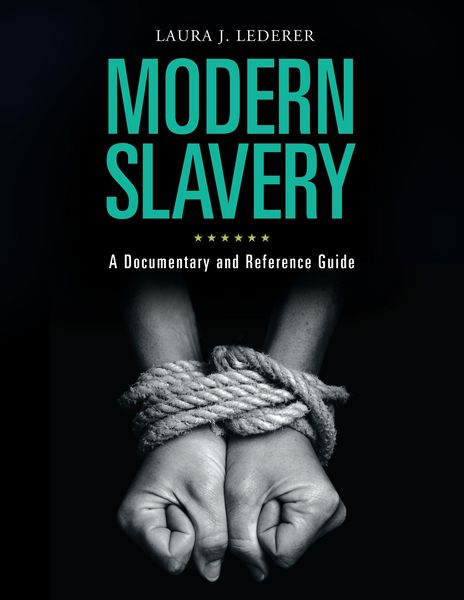
Modern Slavery A Documentary and Reference Guide
-
Form:Einzelkauf Download
-
Sprache:Englisch
-
eBook Format:ePUB
- PDF Fr. 107.90
- ePUB Fr. 108.90 ausgewählt
Fr. 108.90
inkl. gesetzl. MwSt.Beschreibung
Produktdetails
Format
ePUB
Kopierschutz
Ja
Family Sharing
Nein
Text-to-Speech
Ja
Altersempfehlung
ab 7 Jahr(e)
Erscheinungsdatum
08.02.2018
Verlag
Bloomsbury eBooks USSeitenzahl
392 (Printausgabe)
Dateigröße
4312 KB
Sprache
Englisch
EAN
9798216118756
This book provides a sobering look at modern-day slavery-which includes sex trafficking, domestic servitude, and other forms of forced labor-and documents the development of the modern anti-slavery movement, from grassroots activism to the passage of anti-slavery laws.
Slavery was formally abolished across most of the world by the end of the 19th century, but it continues to lurk in the shadows of the modern world. As with slavery of yesteryear, modern slavery hinges on the exploitation of vulnerable populations-and especially women and children. The result is the same as in bygone centuries, when slavery was practiced in the open: unimaginable misery for those exploited and financial gain for the exploiter.
Modern Slavery: A Documentary and Reference Guide is an invaluable resource for students, researchers, academics, policymakers, community leaders, and others who want to learn about modern-day slavery. Covering forms of modern slavery that include sex trafficking, labor trafficking, and domestic servitude, the book provides a complete examination of the modern-day anti-slavery movement. Its coverage includes historical antecedents, the various and sometimes opposing schools of thought about how to combat modern slavery, and the legislative processes that united them and resulted in a groundbreaking approach to combating human trafficking.
The book uses primary source material, including survivor stories, witness testimony, case law, and other materials to discuss the nature and scope of modern-day slavery, the grassroots movement to stop it, and U.S. leadership in the international arena. Examples of primary source material include the Trafficking Victims Protection Reauthorization Act (2005); remarks and statements from Presidents Bush, Clinton, and Obama on human trafficking and modern slavery; the United Nations' Office of Drugs and Crime report, A Global Report on Trafficking in Persons (2009); excerpts from the U.S. Department of State Trafficking in Persons Report, including harrowing victims stories from around the world (2013 and 2014); and excerpts from 2015 Senate hearings, including testimony from Holly Austin Smith, trafficking survivor, and from Malika Saada Saar, Human Rights Project for Girls.
Slavery was formally abolished across most of the world by the end of the 19th century, but it continues to lurk in the shadows of the modern world. As with slavery of yesteryear, modern slavery hinges on the exploitation of vulnerable populations-and especially women and children. The result is the same as in bygone centuries, when slavery was practiced in the open: unimaginable misery for those exploited and financial gain for the exploiter.
Modern Slavery: A Documentary and Reference Guide is an invaluable resource for students, researchers, academics, policymakers, community leaders, and others who want to learn about modern-day slavery. Covering forms of modern slavery that include sex trafficking, labor trafficking, and domestic servitude, the book provides a complete examination of the modern-day anti-slavery movement. Its coverage includes historical antecedents, the various and sometimes opposing schools of thought about how to combat modern slavery, and the legislative processes that united them and resulted in a groundbreaking approach to combating human trafficking.
The book uses primary source material, including survivor stories, witness testimony, case law, and other materials to discuss the nature and scope of modern-day slavery, the grassroots movement to stop it, and U.S. leadership in the international arena. Examples of primary source material include the Trafficking Victims Protection Reauthorization Act (2005); remarks and statements from Presidents Bush, Clinton, and Obama on human trafficking and modern slavery; the United Nations' Office of Drugs and Crime report, A Global Report on Trafficking in Persons (2009); excerpts from the U.S. Department of State Trafficking in Persons Report, including harrowing victims stories from around the world (2013 and 2014); and excerpts from 2015 Senate hearings, including testimony from Holly Austin Smith, trafficking survivor, and from Malika Saada Saar, Human Rights Project for Girls.
Kundinnen und Kunden meinen
Verfassen Sie die erste Bewertung zu diesem Artikel
Helfen Sie anderen Kund*innen durch Ihre Meinung