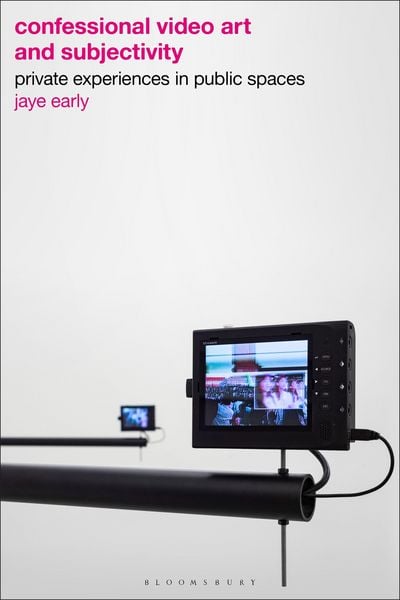
Confessional Video Art and Subjectivity Private Experiences in Public Spaces
-
- Englisch ausgewählt
Fr. 143.00
inkl. gesetzl. MwSt.,
Beschreibung
Produktdetails
Einband
Gebundene Ausgabe
Erscheinungsdatum
17.04.2025
Verlag
BloomsburySeitenzahl
184
Maße (L/B/H)
23.6/15.2/1.5 cm
Gewicht
544 g
Sprache
Englisch
ISBN
978-1-350-40020-7
"This is the first book of its kind to examine the development of the confessional subject in video art, and demonstrate how it can provide a vital platform for navigating politics of self, subjectivity, and resistance in society. Analysing a range of case studies from the 1960s up until the present day, the book reframes video art as an urgent socio-political tool and argues for its growing relevance in contemporary art and society. In doing so, it provides a framework through which to view this constantly-evolving genre and a deeper understanding of wider contemporary video practices"--
Kundinnen und Kunden meinen
Verfassen Sie die erste Bewertung zu diesem Artikel
Helfen Sie anderen Kund*innen durch Ihre Meinung