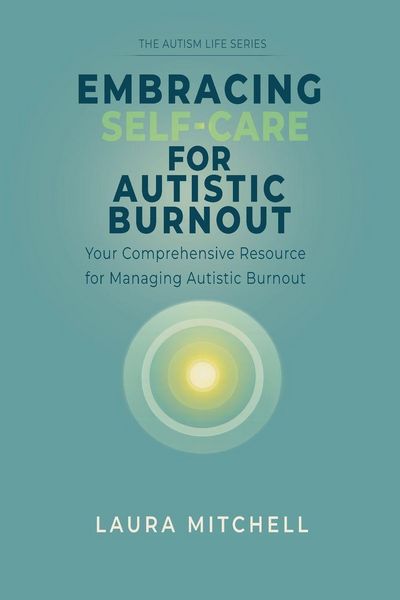
Embracing Self-Care for Autistic Burnout Self-Care for Autistic Burnout & Sensory Overload
-
- Englisch ausgewählt
Fr. 22.90
inkl. gesetzl. MwSt.,
-
Kostenlose Lieferung ab Fr. 30 Einkaufswert
Schweiz & Liechtenstein:
Versandkostenfrei ab Fr. 30.00
Versandkosten bis Fr. 30.00: Fr. 3.50Andere Lieferländer
Fr. 18.00 unabhängig vom Warenwert
Beschreibung
Produktdetails
Einband
Taschenbuch
Erscheinungsdatum
05.04.2025
Verlag
Alan Saunders BooksSeitenzahl
216
Maße (L/B/H)
22.9/15.2/1.2 cm
Gewicht
321 g
Sprache
Englisch
EAN
9791399278224
You already know the difference between being tired and being empty. Sleep fixes tired. Nothing about how you feel right now gets fixed by one good night's rest. Laura Mitchell wrote Embracing Self-Care for Autistic Burnout for the reader stuck in that second state - the one where the lights are too loud, the noise is too bright, and simply appearing fine has become its own full-time job. Autistic burnout isn't the same as being stressed, tired, or depressed, and this book refuses to treat it that way. It's a specific, accumulated depletion that builds when a nervous system gets pushed past its limits for too long - often without anyone noticing, including the person living through it. Generic self-care advice (yoga, gratitude journals, a bubble bath) rarely touches it, because generic self-care was never built for a mind that processes sensory input, social demands, and masking the way yours does. Inside, you'll find: What makes autistic burnout different from ordinary burnout - and why treating it the same way usually makes it worse The early signs most people miss, from emotional numbness to sudden shutdowns, and how to catch them sooner First-person recovery stories from autistic adults, told in their own words, not smoothed into case studies Interactive workbook exercises built for someone with no energy to spare - skip, pause, or return to them whenever How to build a sensory-friendly recovery routine instead of borrowing one designed for someone else's nervous system How cultural and family expectations quietly shape burnout, and what recovery can look like across different lives What makes this book different: recovery here isn't framed as pushing through or bouncing back faster. It's framed as reducing sensory input, rebuilding trust in your own limits, and giving yourself permission to recover at whatever pace your body actually needs - including slowly, including with setbacks, including not today. This book is here to support you as you are: tired, healing, learning, and worthy of care. Maintaining well-being was never about reaching some perfect, permanent state. It's about knowing yourself well enough to hear what your nervous system has been telling you all along. This book helps you listen.
Noch keine Bewertungen vorhanden
Verfassen Sie die erste Bewertung zu diesem Artikel
Helfen Sie anderen Kundinnen und Kunden durch Ihre Meinung.