Vision and Meaning in Ninth-Century Byzantium Image as Exegesis in the Homilies of Gregory of Nazianzus
-
- Hardcover ausgewählt
- Taschenbuch
-
Sprache:Englisch
Fr. 218.00
inkl. gesetzl. MwSt.,
Beschreibung
Produktdetails
Einband
Gebundene Ausgabe
Erscheinungsdatum
25.02.1999
Verlag
Cambridge AcademicSeitenzahl
570
Maße (L/B/H)
25/17.5/3.5 cm
Gewicht
1370 g
Sprache
Englisch
ISBN
978-0-521-62153-3
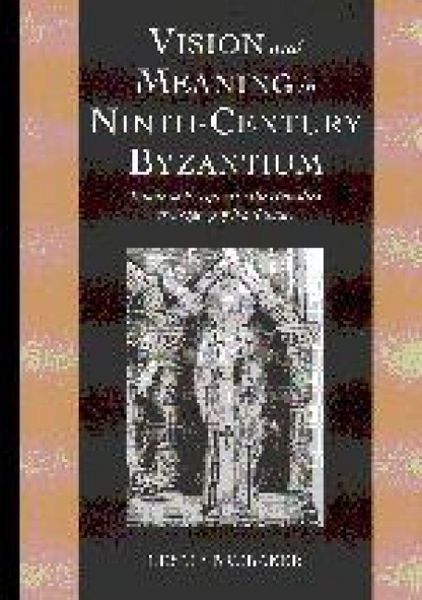
The Byzantines used imagery to communicate a wide range of issues. In the context of Iconoclasm - the debate about the legitimacy of religious art conducted between c. AD 730 and 843 - Byzantine authors themselves claimed that visual images could express certain ideas better than words. Vision and Meaning in Ninth-Century Byzantium deals with how such visual communication worked and examines the types of messages that pictures could convey in the aftermath of Iconoclasm. Its focus is on a deluxe manuscript commissioned around 880, a copy of the fourth-century sermons of the Cappadocian church father Gregory of Nazianzus which presented to the Emperor Basil I, founder of the Macedonian dynasty, by one of the greatest scholars Byzantium ever produced, the patriarch Photios. The manuscript was lavishly decorated with gilded initials, elaborate headpieces and a full-page miniature before each of Gregory's sermons. Forty-six of these, including over 200 distinct scenes, survive. Fewer than half however were directly inspired by the homily that they accompany. Instead most function as commentaries on the ninth-century court and carefully deconstructed both provide us with information not available from preserved written sources and perhaps more important show us how visual images communicate differently from words.
Noch keine Bewertungen vorhanden
Verfassen Sie die erste Bewertung zu diesem Artikel
Helfen Sie anderen Kundinnen und Kunden durch Ihre Meinung.