Beschreibung
Violations of religious freedom and violence committed in the name of religion grab our attention on a daily basis. Freedom of religion or belief is a key human right: the International Covenant on Civil and Political Rights, numerous conventions, declarations and soft law standards include specific provisions on freedom of religion or belief. The 1981 Declaration on the Elimination of All Forms of Intolerance and of Discrimination Based on Religion or Belief has been interpreted since 1986 by the mandate of the UN Special Rapporteur on freedom of religion or belief. Special Rapporteurs (for example those on racism, freedom of expression, minority issues and cultural rights) and Treaty Bodies (for example the Human Rights Committee, the Committee on the Elimination of Racial Discrimination and the Committee on the Rights of the Child) have also elaborated on freedom of religion or belief in the context of their respective mandates.
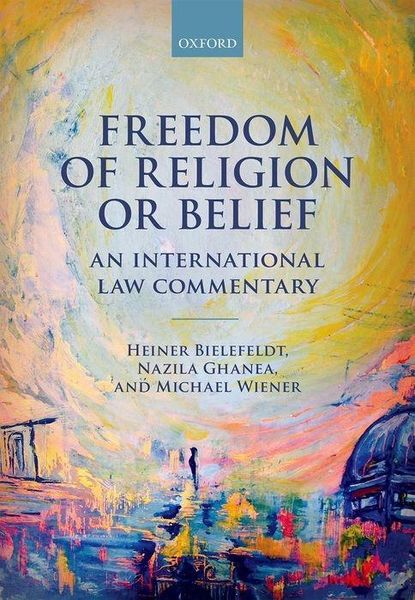
Freedom of Religion or Belief: An International Law Commentary is the first commentary to look comprehensively at the international provisions for the protection of freedom of religion or belief, considering how they are interpreted by various United Nations Special Procedures and Treaty Bodies. Structured around the thematic categories of the United Nations Special Rapporteur's framework for communications, the commentary analyses, for example, the limitations on the wearing of religious symbols and vulnerable situations, including those of women, detainees, refugees, children, minorities and migrants, through a combination of scholarly expertise and practical experience.
Rezension
This commentary, written by leading experts in the field, provides a clear examination and interpretation of the various international legal provisions relating to the right to freedom of thought, conscience, and religion and offers a critical assessment of the approaches of the United Nations (UN) Special Procedures and Treaty Bodies in protecting this right. ... Overall there is a tremendous richness to the discussions in this commentary, characterized by a deep understanding of and sensitivity toward the complex issues relating to freedom of religion or belief. This commentary will not only be an invaluable resource for scholars and practitioners working in the field but will also be a useful tool for anyone interested in any aspect of the relationship between religion/belief and international law. Caroline K. Roberts, University of Bristol