KI-Beratung Beta

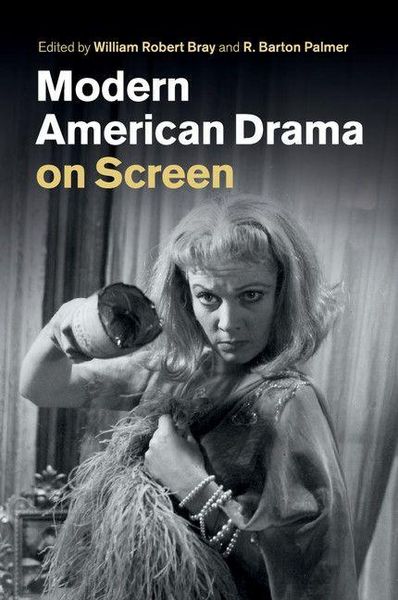
  • Produktbild: Modern American Drama on Screen
  • Produktbild: Modern American Drama on Screen

Modern American Drama on Screen

Fr. 57.90

inkl. gesetzl. MwSt., Versandkostenfrei


Beschreibung

From its beginnings, the American film industry has profited from bringing popular and acclaimed dramatic works to the screen. This is the first book to offer a comprehensive account, focusing on key texts, of how Hollywood has given a second and enduring life to such classics of the American theater...

Beschreibung

From its beginnings, the American film industry has profited from bringing popular and acclaimed dramatic works to the screen. This is the first book to offer a comprehensive account, focusing on key texts, of how Hollywood has given a second and enduring life to such classics of the American theater as Long Day's Journey into Night, A Streetcar Named Desire and Who's Afraid of Virginia Woolf? Each chapter is written by a leading scholar and focuses on Broadway's most admired and popular productions. The book is ideally suited for classroom use and offers an otherwise unavailable introduction to a subject which is of great interest to students and scholars alike.

Produktdetails

Einband

Taschenbuch

Erscheinungsdatum

29.03.2016

Herausgeber William Robert Bray + weitere
Verlag Cambridge Academic

Produktdetails

Einband

Taschenbuch

Erscheinungsdatum

29.03.2016

Herausgeber
Verlag Cambridge Academic
Seitenzahl

316

Maße (L/B/H)

22.9/15.2/1.7 cm

Gewicht

460 g

Sprache

Englisch

ISBN

978-1-316-61968-1

Herstelleradresse

Libri GmbH
Europaallee 1
36244 Bad Hersfeld
DE

Email: gpsr@libri.de

Noch keine Bewertungen vorhanden

Verfassen Sie die erste Bewertung zu diesem Artikel

Helfen Sie anderen Kundinnen und Kunden durch Ihre Meinung.

Kundinnen und Kunden meinen

Bewertungen (0)

Die Leseprobe wird geladen.
  • Produktbild: Modern American Drama on Screen
  • Produktbild: Modern American Drama on Screen
  • Introduction R. Barton Palmer and William Robert Bray; 1. Realism, censorship, and social promise of Dead End Amanda Klein; 2. Screening Our Town (1940): or the problem of 'looking at everything hard enough' David Eldridge; 3. Screening Death of a Salesman: Arthur Miller's cinema and its discontents R. Barton Palmer; 4. Elia Kazan's A Streetcar Named Desire William Robert Bray; 5. Come back, little Scopophile: William Inge, Daniel Mann, and cinematic voyeurism John S. Bak; 6. The Big Knife: Hollywood's 'fable about moral values and success' Christopher Ames; 7. Adapting Lorraine Hansberry's sociological imagination: race, housing, and health in A Raisin in the Sun Martin Halliwell; 8. The Children's Hour Neil Sinyard; 9. Screening Long Day's Journey into Night Mary F. Brewer; 10. Who's Afraid of Virginia Woolf? David Lavery and Nancy McGuire Roche; 11. Sex, lies, and independent film: realism and reality in Sam Shepard's Fool for Love Annette Saddik; 12. Actor, image, action: Anthony Drazan's Hurlyburly (1998) Laurence Raw; 13. David Mamet brings film to Oleanna Brenda Murphy; 14. To what end Wit? John D. Sykes, Jr; 15. Theatrical, cinematic, and domestic epic in Tony Kushner's Angels in America (on stage and screen) Tison Pugh; Filmography.