KI-Beratung Beta

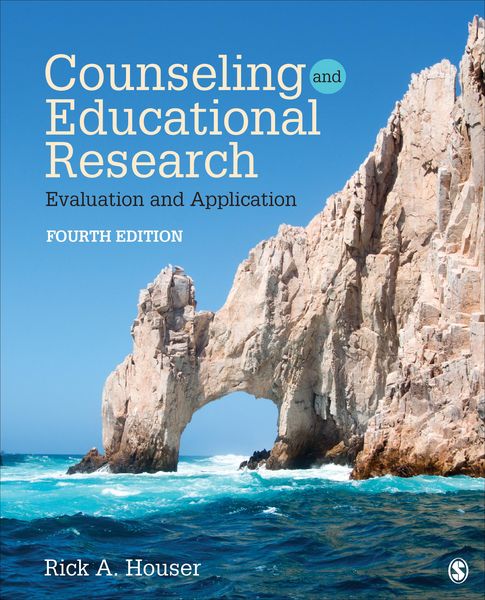
Produktbild: Counseling and Educational Research

Counseling and Educational Research Evaluation and Application

Fr. 239.00

inkl. gesetzl. MwSt., Versandkostenfrei


Beschreibung

Produktdetails

Einband

Taschenbuch

Erscheinungsdatum

01.07.2019

Verlag

SAGE Publications

Seitenzahl

416

Maße (L/B/H)

23.2/18.7/2.2 cm

Gewicht

750 g

Auflage

4., überarbeitete Auflage

Sprache

Englisch

ISBN

978-1-5443-0506-6

Beschreibung

Produktdetails

Einband

Taschenbuch

Erscheinungsdatum

01.07.2019

Verlag

SAGE Publications

Seitenzahl

416

Maße (L/B/H)

23.2/18.7/2.2 cm

Gewicht

750 g

Auflage

4., überarbeitete Auflage

Sprache

Englisch

ISBN

978-1-5443-0506-6

EU-Ansprechpartner

Kolibri 360 GmbH
Ettore-Bugatti-Straße 6-14
51149 Köln
DE
produktsicherheit@kolibri360.de

Herstelleradresse

SAGE Publications
1 Oliver's Yard 55 City Road
EC1Y 1SP London
GB
orders@sagepub.co.uk

Noch keine Bewertungen vorhanden

Verfassen Sie die erste Bewertung zu diesem Artikel

Helfen Sie anderen Kundinnen und Kunden durch Ihre Meinung.

Kundinnen und Kunden meinen

Bewertungen (0)

Weitere Artikel finden Sie in

  • Produktbild: Counseling and Educational Research
  • Foreword
    Preface
    Acknowledgments
    About the Author
    Section 1: Introduction to the Research Process
    Chapter 1. Science and the Research Process
    Definitions of Science and Research
    Practitioner-Scientist
    Assumptions About Science and Research
    Plagiarism
    Steps in the Scientific Process
    Purpose and Overview of the Text
    Chapter 2. Ethics and Research
    Ethical Principles and Guidelines
    Ethical Research Violations
    Guidelines and Questions for Evaluating the Research Literature for Ethical Concerns
    Evaluation of Research Examples Presented in the Professional Literature
    Tuskegee Syphilis Study
    Milgram Study
    Chapter 3. Quantitative Research Designs
    Strengths and Weaknesses of Quantitative Research
    Types of Variables
    Research Designs
    Chapter 4. Qualitative Research Methods
    Advantages and Disadvantages of Qualitative Research
    Traditions or Paradigms in Conducting Qualitative Research
    Case Study Approach
    Chapter 5. Mixed Methods Research
    History of Mixed Methods Research
    Strengths and Weaknesses of Mixed Methods Research
    Triangulation
    Mixed Research Models
    Chapter 6. Single-Case or Single-Subject Research
    Guidelines and Procedures in Single-Subject Design
    Research Designs in Single-Case or Subject Research
    Chapter 7. Basics of Statistical Methods
    Measurement Scales
    Common Statistical Definitions
    Descriptive Statistics
    Inferential Statistics
    Nonparametric Statistics
    Chapter 8. Basics of Qualitative Research Data Analysis
    Generating Data: Units of Data Collection
    Organizing Data
    Management of Data: Coding and Reducing
    Interpreting and Reporting
    Section II: Evaluating Articles in the Professional Literature
    Chapter 9. Evaluating the Literature Review
    Guidelines and Questions for Evaluating Research
    Evaluation of Examples From the Research Literature
    Chapter 10. Evaluating the Purpose Statement and Hypotheses
    Guidelines and Questions for Evaluating the Purpose Statement
    Evaluation of Examples From the Research Literature
    Section Summary
    Quantitative Research Hypotheses
    Indirect Proof: An Orientation to the Scientific Approach
    Types of Hypotheses
    Guidelines and Questions for Evaluating Hypotheses: Quantitative Methods
    Evaluation of Examples From the Research Literature
    Evaluating a Hypothesis in Qualitative Research Methods
    Guidelines and Questions for Evaluating Hypothesis or Hypotheses for Qualitative Research
    Chapter 11. Evaluating the Methods Section-Sampling Methods
    Sampling Methods Used in Quantitative Research
    Guidelines and Questions for Evaluating the Methods Section Sample
    Evaluating Examples From the Research Literature
    Chapter 12. Evaluating the Methods Section-Instruments
    Standardization of Instruments
    Culture, Gender, and Diversity Bias
    Reliability of Instruments
    Validity of Instruments
    Approaches to Measuring the Dependent Variable
    Guidelines and Questions for Evaluating the Instruments-Quantitative Research
    Evaluating Examples From the Research Literature-Quantitative Research
    Guidelines and Questions for Evaluating the Instruments-Qualitative Research
    Evaluating Single-Subject Research
    Chapter 13. Evaluating the Methods Section-Procedures
    Description of Study Variables
    Random Assignment
    Internal and External Validity
    Threats to Internal Validity
    Threats to Validity with Single-Subject Studies
    Threats to External Validity
    Evaluation of Procedures Examples From the Literature
    Chapter 14. Evaluating the Results Section
    Part I: Quantitative Research Results
    Descriptive Statistics
    Inferential Statistics
    Guidelines and Questions for Evaluating the Results Section-Quantitative Research
    Evaluating Examples From the Research Literature-Quantitative Research
    Single Case Study Example
    Part II: Qualitative Research Results
    Coding Data: Data Analysis
    Guidelines and Questions for Evaluating the Results Section-Qualitative Research
    Evaluating an Example From the Results Section-Qualitative Research
    Chapter 15. Evaluating the Discussion Section
    Guidelines and Questions for Evaluating the Discussion Section
    Evaluating Examples From the Research Literature
    Single-Subject Case Example
    Section III: The Application of Research and Evaluation
    Chapter 16. Evidence-Based Research and Application
    Counseling Meta-Analyses
    Interventions in Schools
    Integrative Reviews
    Chapter 17. Conducting Research: Cultural Issues
    Cultural Neuroscience Research
    Examples of Cultural and Neuroscience Research
    Chapter 18. Developing a Research Proposal and Conducting Research in Practice
    Practitioner-Researchers
    Developing a Research Proposal
    Practical Considerations in Conducting Research
    Chapter 19. Development and Application of Program Evaluation Research
    Definitions of Program Evaluation Research
    Professional Standards and Guidelines for Program Evaluation
    Types of Evaluation
    Evaluation Models
    Steps in an Evaluation
    Examples of Program Evaluation
    Chapter 20. Advances in Technology and Research
    Technologies
    Online Counseling
    Interactive Video
    Bug-in-Ear Technology
    iPads and iPhones
    Virtual Reality
    Neuroscience Technologies
    Chapter 21. Current and Future Issues in Counseling and Educational Research
    The Practitioner-Scientist Model
    The Relevance of Research to Practice
    Value Issues in Counseling
    Social Justice Issues
    Glossary
    References
    Index