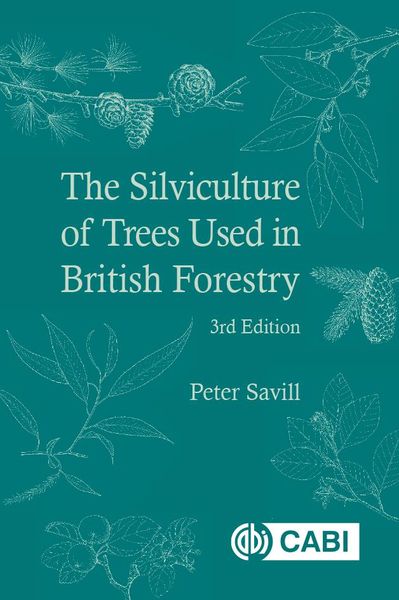
Silviculture of Trees Used in British Forestry, The
Fr. 76.90
inkl. gesetzl. MwSt.Beschreibung
Produktdetails
Format
ePUB
Kopierschutz
Ja
Family Sharing
Nein
Text-to-Speech
Ja
Erscheinungsdatum
12.04.2019
Verlag
Nyu PressSeitenzahl
(Printausgabe)
Dateigröße
11415 KB
Auflage
3. Auflage
Sprache
Englisch
EAN
9781786393944
British woodlands and forests are often located on sites and in regions that are marginal for agriculture; many are at high elevations and exposed, with short growing seasons. Wherever forests are located, site and climatic conditions must dictate species choice in forest management. This book provides a detailed guide to the biological suitability of different sites and soils for all important native trees and the most extensively used exotics. Apart from physical difficulties such as steepness and stoniness, forest soils also frequently have problems associated with them. They can be waterlogged or drought-prone, suffer from extremes of acidity or alkalinity, or have compacted layers.
The book provides information on species' suitability for different purposes. It includes details of species' origin and introduction (where applicable), as well as their climatic and soil requirements and other silvicultural characteristics. Information about provenance, yield and timber is also provided. Fully updated throughout, this 3rd edition puts more emphasis on species suitable for changing climatic conditions, with accounts of several species that may become more prominent in British forests: including several silver firs, hickories, eucalypts, spruces, poplars and wingnuts. The book concludes with simple keys for identifying the trees most likely to be encountered in British forests. It is an essential resource for students, researchers and forestry professionals.
The book provides information on species' suitability for different purposes. It includes details of species' origin and introduction (where applicable), as well as their climatic and soil requirements and other silvicultural characteristics. Information about provenance, yield and timber is also provided. Fully updated throughout, this 3rd edition puts more emphasis on species suitable for changing climatic conditions, with accounts of several species that may become more prominent in British forests: including several silver firs, hickories, eucalypts, spruces, poplars and wingnuts. The book concludes with simple keys for identifying the trees most likely to be encountered in British forests. It is an essential resource for students, researchers and forestry professionals.
Kundinnen und Kunden meinen
Verfassen Sie die erste Bewertung zu diesem Artikel
Helfen Sie anderen Kund*innen durch Ihre Meinung