Gutscheinbedingungen

*Gültig bis 18.08.2026 auf (fast) alles. Ausgeschlossen sind Smartboxen, Zeitschriften, Tickets, Lebensmittel, Gaming-Elektroartikel, Tinte/Toner, Gutscheine, Geschenkkarten, Blumen und Abos | Einlösbar in allen Buchhandlungen von Orell Füssli, Barth Bücher, Buchladen Rapunzel, Schuler Orell Füssli, Stauffacher und ZAP unter Vorweisung des Gutscheins, auf www.orellfüssli.ch durch Eingabe des Gutscheincodes. Beim Service „eBooks verschenken“ und bei eBook-Käufen via eReader nicht einlösbar | Mindesteinkaufswert: Fr. 100.- | Nicht mit anderen Rabatten kumulierbar.

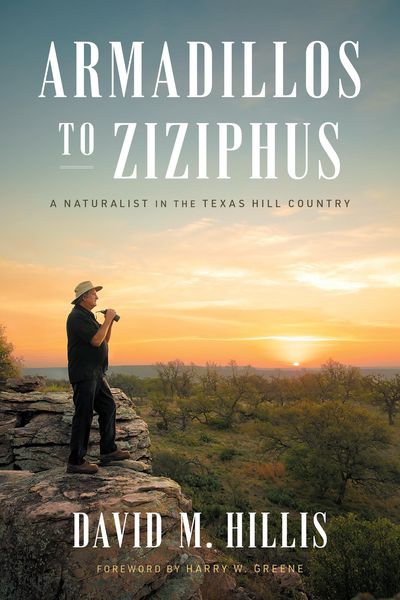
Produktbild: Hillis, D: Armadillos To Ziziphus

Hillis, D: Armadillos To Ziziphus A Naturalist in the Texas Hill Country

Fr. 44.90

inkl. gesetzl. MwSt., Versandkostenfrei


Beschreibung

Produktdetails

Einband

Gebundene Ausgabe

Erscheinungsdatum

11.04.2023

Verlag

University of Texas Press

Seitenzahl

280

Maße (L/B/H)

23.6/16/2.8 cm

Gewicht

918 g

Sprache

Englisch

ISBN

978-1-4773-2673-2

Beschreibung

Produktdetails

Einband

Gebundene Ausgabe

Erscheinungsdatum

11.04.2023

Verlag

University of Texas Press

Seitenzahl

280

Maße (L/B/H)

23.6/16/2.8 cm

Gewicht

918 g

Sprache

Englisch

ISBN

978-1-4773-2673-2

Noch keine Bewertungen vorhanden

Verfassen Sie die erste Bewertung zu diesem Artikel

Helfen Sie anderen Kundinnen und Kunden durch Ihre Meinung.

Kundinnen und Kunden meinen

Bewertungen (0)

Die Leseprobe wird geladen.
  • Produktbild: Hillis, D: Armadillos To Ziziphus
    • Foreword by Harry W. Greene
    • Preface
    • I. The Texas Hill Country: A Naturalist’s Paradise
      • 1. Geological Setting of the Edwards Plateau
      • 2. From Acid Sands to Alkaline Clays
      • 3. Hill Country Weather: Droughts, Floods, and Severe Storms
      • 4. Some Texas Icons Haven’t Been Here All That Long
      • 5. Hill Country Endemics
      • 6. What Is the Value of Biodiversity?
    • II. The Seasonal Life of a Vernal Pool
      • 7. Tilting at Tiny Windmills
      • 8. Crustacean Wonders
      • 9. The Fascinating Flora of Vernal Pools
      • 10. Those Who Live in Glass Houses
      • 11. A Season of Symphonies
      • 12. What Happened to All Our Frogs?
    • III. Flowing Waters: Aquifers, Caves, Springs, and Rivers
      • 13. Life without Light
      • 14. Lanterns of Summer
      • 15. Musings about Mussels
      • 16. The Last Wild River
    • IV. Life of a Grassland
      • 17. Why Do Some Grasses Grow in the Winter, but Others in the Summer?
      • 18. Butterflies, Hummingbirds, and Other Pollinators
      • 19. The Noble Life of a Dung-Roller
      • 20. Where Have All the Quail Gone?
      • 21. Grasshoppers, Locusts, and Plagues
      • 22. The History of Texas Cattle Written in Their DNA
    • V. In the Woodlands and Brushlands
      • 23. Containing and Preventing Oak Wilt
      • 24. The Challenges of Being an Oak Tree in the Hill Country
      • 25. How Do Trees Sense When It Is Time to Leaf Out and Bloom?
      • 26. The Dr. Jekyll and Mr. Hyde of Trees
      • 27. Spring Is Here, and So Are the Snakes
      • 28. Songs of the Summer Dog Days
      • 29. Going Batty
      • 30. Deer Densities on the Edwards Plateau
      • 31. Bucks in Velvet
      • 32. The Future of Hill Country Deer Populations
      • 33. The Carbon Cycle and How It Affects Our Daily Lives
    • VI. Backyard Biology
      • 34. The Remarkable Life of Hummingbirds
      • 35. Ways to Attract and Increase Bird Populations
      • 36. The Unexpected Beauty and Diversity of Lichens
      • 37. There Is More to Mistletoe than Kissing
      • 38. The Ups and Downs of Ants
      • 39. A Pattern in the Web
      • 40. Caterpillar Plagues and Their Connection to the Weather
      • 41. Predators and Second Chances
    • VII. Climatic Adaptations
      • 42. Toadally Cool
      • 43. The Surprising Life Cycle of a Monarch Butterfly
      • 44. How Do Animals Survive the Winter? Part 1: Migrating
      • 45. How Do Animals Survive the Winter? Part 2: Keeping Warm and Active
      • 46. How Do Animals (and Plants) Survive the Winter? Part 3: Waiting Out the Cold
    • VIII. Restoration and the Future of the Hill Country’s Natural Resources
      • 47. The Restoration and Benefits of Native Grasses
      • 48. The Pros and Cons of Brush Control
      • 49. Recovery of a Texas Icon: The Texas Horned Lizard
      • 50. Avoiding the Dangers of Lead Poisoning in Game Meat
      • 51. Our Climate Future in Central Texas
      • 52. If the Earth Is Warming, Why Did We Just Have a Record Cold Snap?
      • 53. Practical, Painless, and Significant Solutions to Climate Change
      • 54. Six Resolutions for Supporting Native Plants and Animals
    • Index