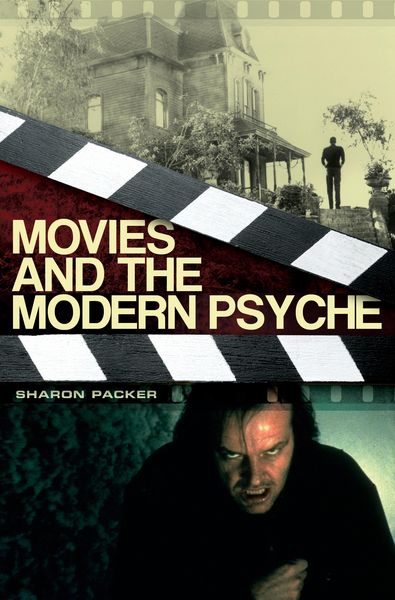
Movies and the Modern Psyche
Fr. 64.90
inkl. gesetzl. MwSt.Beschreibung
Produktdetails
Format
Kopierschutz
Ja
Family Sharing
Nein
Text-to-Speech
Nein
Altersempfehlung
ab 7 Jahr(e)
Erscheinungsdatum
30.09.2007
Verlag
Bloomsbury eBooks USSeitenzahl
216 (Printausgabe)
Auflage
1. Auflage
Sprache
Englisch
EAN
9781573567282
By looking at the interactions between cinema and psychology, Packer offers readers clear and basic insights into some of the most fundamental reasons why film is such an important influence upon our lives today. Movies and the Modern Psyche first describes the basic concepts of psychoanalysis, experimental psychology, behavioral conditioning, and hypnosis, which have all played major roles in the histories of both film and psychiatry. It then goes on to discuss the recent rise in film therapy, drug treatments, treatment for drug abuse, and the closing of asylums, to show how shifts in treatment techniques, theories, and settings are foreshadowed and fossilized by film.
Psychology and cinema are kindred cousins, born at the same time and developing together, so that each influences the other. From the mind-controlling villains that occupy early horror films and Cold War thrillers (like Caligari, Mabuse, and The Ipcress File), to the asylums that house numberless political allegories and personal dramas (in Shock Corridor, Spellbound, One Flew over the Cuckoo's Nest, and Girl Interrupted), to the drugs, phobias, and disorders that pervade so many of our favorite films (including, as a small sample, Vertigo, Night of the Hunter, Psycho, Rainman, Fight Club, Requiem for a Dream, and Batman Begins), there is no escaping either psychology in the movies, or the movies in psychology. By looking at the interactions between cinema and psychology, this book offers readers clear and basic insights into some of the most fundamental reasons why film is such an important influence upon our lives today.
Movies and the Modern Psyche first describes the basic concepts of psychoanalysis, experimental psychology, behavioral conditioning, and hypnosis, which have all played major roles in the histories of both film and psychiatry. It then goes on to discuss the recent rise in film therapy, drug treatments, treatment for drug abuse, and the closing of asylums, to show how shifts in treatment techniques, theories, and settings are foreshadowed and fossilized by film.
Psychology and cinema are kindred cousins, born at the same time and developing together, so that each influences the other. From the mind-controlling villains that occupy early horror films and Cold War thrillers (like Caligari, Mabuse, and The Ipcress File), to the asylums that house numberless political allegories and personal dramas (in Shock Corridor, Spellbound, One Flew over the Cuckoo's Nest, and Girl Interrupted), to the drugs, phobias, and disorders that pervade so many of our favorite films (including, as a small sample, Vertigo, Night of the Hunter, Psycho, Rainman, Fight Club, Requiem for a Dream, and Batman Begins), there is no escaping either psychology in the movies, or the movies in psychology. By looking at the interactions between cinema and psychology, this book offers readers clear and basic insights into some of the most fundamental reasons why film is such an important influence upon our lives today.
Movies and the Modern Psyche first describes the basic concepts of psychoanalysis, experimental psychology, behavioral conditioning, and hypnosis, which have all played major roles in the histories of both film and psychiatry. It then goes on to discuss the recent rise in film therapy, drug treatments, treatment for drug abuse, and the closing of asylums, to show how shifts in treatment techniques, theories, and settings are foreshadowed and fossilized by film.
Noch keine Bewertungen vorhanden
Verfassen Sie die erste Bewertung zu diesem Artikel
Helfen Sie anderen Kundinnen und Kunden durch Ihre Meinung.