We Don't Speak of Fear
-
- Taschenbuch
- eBook ausgewählt
-
Form:Einzelkauf Download
-
Sprache:Englisch
-
eBook Format:PDF
- PDF Fr. 51.90 ausgewählt
- ePUB Fr. 51.90
Fr. 51.90
inkl. gesetzl. MwSt.Beschreibung
Produktdetails
Format
Kopierschutz
Ja
Family Sharing
Ja
Text-to-Speech
Nein
Erscheinungsdatum
23.03.2023
Verlag
Phoenix Publishing HouseSeitenzahl
320 (Printausgabe)
Dateigröße
5790 KB
Sprache
Englisch
EAN
9781800131606
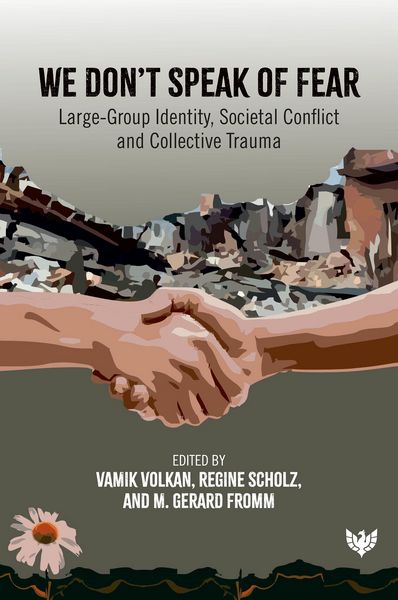
With contributions from Lord John Alderdice, Deniz Aribog?an, Abdulkadir Cevik, Senem B. Cevik, Coline Covington, Robi Friedman, David Fromm, M. Gerard Fromm, Hiba Husseini, Aleksandr V. Obolonski, Ford Rowan, Regine Scholz, Edward R. Shapiro, Vamik D. Volkan The International Dialogue Initiative (IDI) is a private, international, multidisciplinary group comprised of psychoanalysts, academics, diplomats, and other professionals who bring a psychologically informed perspective to the study and amelioration of societal conflict. It aims to provide a reflective space to enable an understanding of how the emotional and historical background of hostile relations - often related to trauma - is being experienced in the present. By doing so, antagonists can overcome resistances to dialogue and facilitate the discovery of peaceful solutions to intergroup problems. This book brings together key members of the IDI to present the theory and practice of the important work they do. At its heart, the book holds the idea that, while traumatic experiences may happen to an individual or a family, they also affect society and large-group identity over long periods of time. In that way, trauma plays out between generations and between countries. The book is divided into three parts: theory, application, and methodology. Trauma is the key thread running throughout and the distinguished contributors investigate healing, dehumanisation, memory, the pandemic, war, terrorism, identity, culture, the law, justice, and religion, among many other fascinating topics. The authors bring in case studies from all over the world, including the United States, Northern Ireland, Russia, Israel, Turkey, Germany, Egypt, and Palestine. To make sense of these, they draw on a wide range of approaches: group relations theory, group analytic theory, psychoanalysis, large-group psychology, psychodynamic theory, psychology, economics, sociology, political science, history, journalism, and the law, to name but a few. This must-read book brings theory to vivid life and brings hope that our fractured world can learn to heal.
Noch keine Bewertungen vorhanden
Verfassen Sie die erste Bewertung zu diesem Artikel
Helfen Sie anderen Kundinnen und Kunden durch Ihre Meinung.