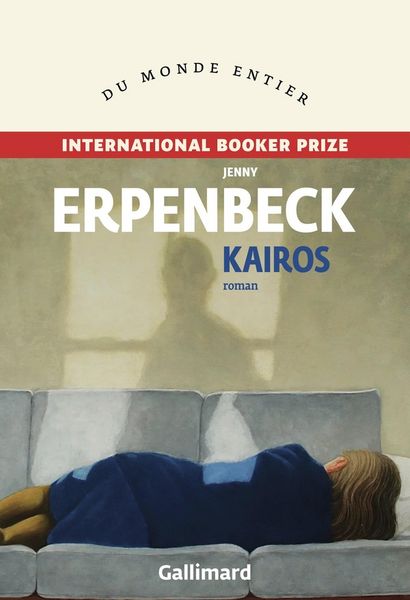
Jenny Erpenbeck’s Kairos is an undeniably masterful novel—precise, intelligent, and hauntingly written. Erpenbeck captures the emotional and political atmosphere of late East Germany with remarkable sensitivity, weaving personal obsession and historical change into one tightly controlled narrative.
Yet for all its literary brilliance, Kairos can be a deeply difficult read. The relationship at its center becomes increasingly suffocating, largely because of the male protagonist, whose self-pity and manipulative cruelty dominate the emotional landscape. As the story unfolds, frustration grows into outright anger toward him; his endless justifications and emotional games make you almost wish he would simply fall silent. There are moments when the urge to stop reading is less about the quality of the book and more about the exhaustion of witnessing his behavior.
And perhaps that is part of Erpenbeck’s achievement. She writes so convincingly that the reader cannot escape the psychological trap she constructs. Kairos is beautifully written—but emotionally relentless, leaving you both impressed and deeply unsettled.
Die gewählte Option hat einen Sprachwechsel verursacht.