Beschreibung
Produktdetails
Format
ePUB
Kopierschutz
Ja
Family Sharing
Ja
Text-to-Speech
Ja
Erscheinungsdatum
26.04.2026
Verlag
Shelby RobinsonSeitenzahl
(Printausgabe)
Dateigröße
137 KB
Sprache
Englisch
EAN
9798233654855
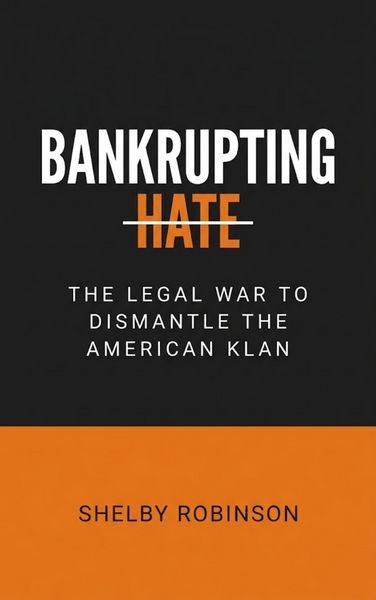
Bankrupting Hate: The Legal War to Dismantle the American Klan is a sweeping investigative narrative that traces the rise of one of the most influential and controversial civil rights institutions in modern America, the Southern Poverty Law Center. Beginning with its early courtroom battles against white supremacist organizations like the United Klans of America and the Aryan Nations, the book explores how a small Alabama-based legal nonprofit evolved into a national watchdog with immense legal, cultural, and informational power.
Through landmark litigation, groundbreaking use of civil liability law, and the strategic dismantling of extremist organizations, the SPLC helped redefine how hate groups are prosecuted in the United States. But its influence did not stop in the courtroom. The organization expanded into intelligence monitoring through its Hate Map, shaped public discourse on extremism, and entered American classrooms through its educational initiative, Learning for Justice.
As its influence grew, so did controversy. The book examines internal leadership upheaval, including the ouster of founder Morris Dees and the resignation of president Richard Cohen, alongside allegations about internal culture and debates over financial scale, endowment growth, and institutional accountability.
In its later chapters, the narrative explores how the SPLC navigated increasing political polarization, the rise of digital extremism, post-January 6th America, and growing scrutiny over its classification systems. It also examines its expanding advocacy in LGBTQ+ rights, immigrant rights, and criminal justice reformareas that broadened its mission but intensified debate over its definitions of "hate" and "extremism."
At its core, Bankrupting Hate is a story about powerhow it is built, how it is wielded, and how it is challenged. It raises difficult questions about civil rights enforcement, institutional authority, and the evolving meaning of justice in a fractured media and political landscape.
Noch keine Bewertungen vorhanden
Verfassen Sie die erste Bewertung zu diesem Artikel
Helfen Sie anderen Kundinnen und Kunden durch Ihre Meinung.