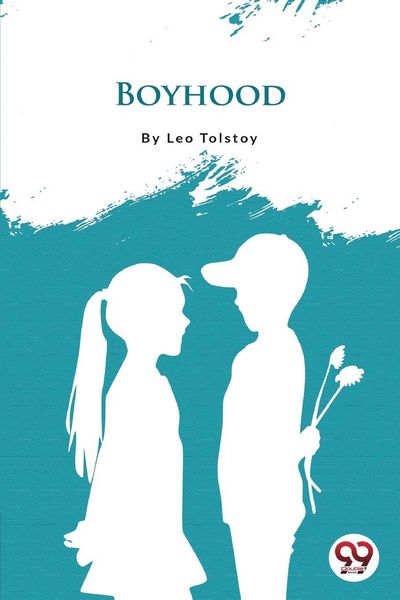
Boyhood
1-
- Hardcover
- Taschenbuch ausgewählt
- eBook
- Hörbuch
-
Sprache:Englisch
-
Verlag:Double 9 Books
- Important Books Fr. 17.90
- Arcturus Publishing Ltd Fr. 16.90
- Tredition Fr. 15.90
- Houghton Mifflin Company Fr. 19.90
- Bod Fr. 15.90
- Oxford University Press Fr. 17.90
- Bibliotech Pr Fr. 21.90
- HarperCollins Fr. 5.90
- Pki Fr. 16.90
- Copycat Fr. 9.90
- Wildside Press Fr. 19.90
- Ingram Publishers Services Fr. 11.90
- Alma Books Ltd. Fr. 16.90
- Flame Tree Fr. 16.90
- Kessinger Publishing, LLC Fr. 21.90
- Penguin Books Ltd Fr. 19.90
- Double 9 Books Fr. 24.90 ausgewählt
Fr. 24.90
inkl. gesetzl. MwSt.,
-
Kostenlose Lieferung ab Fr. 30 Einkaufswert
Schweiz & Liechtenstein:
Versandkostenfrei ab Fr. 30.00
Versandkosten bis Fr. 30.00: Fr. 3.50Andere Lieferländer
Fr. 18.00 unabhängig vom Warenwert
Beschreibung
Produktdetails
Einband
Taschenbuch
Erscheinungsdatum
01.01.2026
Verlag
Double 9 BooksSeitenzahl
88
Maße (L/B/H)
22.9/15.2/0.5 cm
Gewicht
145 g
Sprache
Englisch
ISBN
978-93-94973-05-3
'Boyhood' is the second part of Leo Tolstoy's autobiographical trilogy. First time, it was published in a Russian journal in 1854. Narrative of this book is largely based on Tolstoy's own early struggling life. Here, Tolstoy depicts that transition from childhood to boyhood is sudden and stormy. By the character of Nicholai, author tells that it is very difficult for a boy to face the challenges of life, without his mother. It covers the Nicholai's span of life from the age of 14 to 18 years. In his narratives author describes various features of a boy's development, his attraction towards female, his struggle of life and ideas regarding friendship, humanity, freedom and respect. He also shows the hardship of service class and master and workers relations, in the Russian society, during that period. By the time Nicholai not only gains his understanding and individuality, he also gives recognition to the individuality of villagers and servants, leaving behind their identity as serfs. Although, his writing depicts about particular time, place and culture. But Tolstoy highlights the universal vision of youngsters that 'they are lonely and no one cares for them. Everyone shows disagreement with them.'